


1959 FENDER TELECASTER
€38.500,00
In stock
The prices indicated correspond to the price in the case of payment in-store or by bank transfer. In the case of payment by credit card via the website, a processing fee of [3.25% + €0.25]* will be applied to the total amount of the basket, including delivery costs.
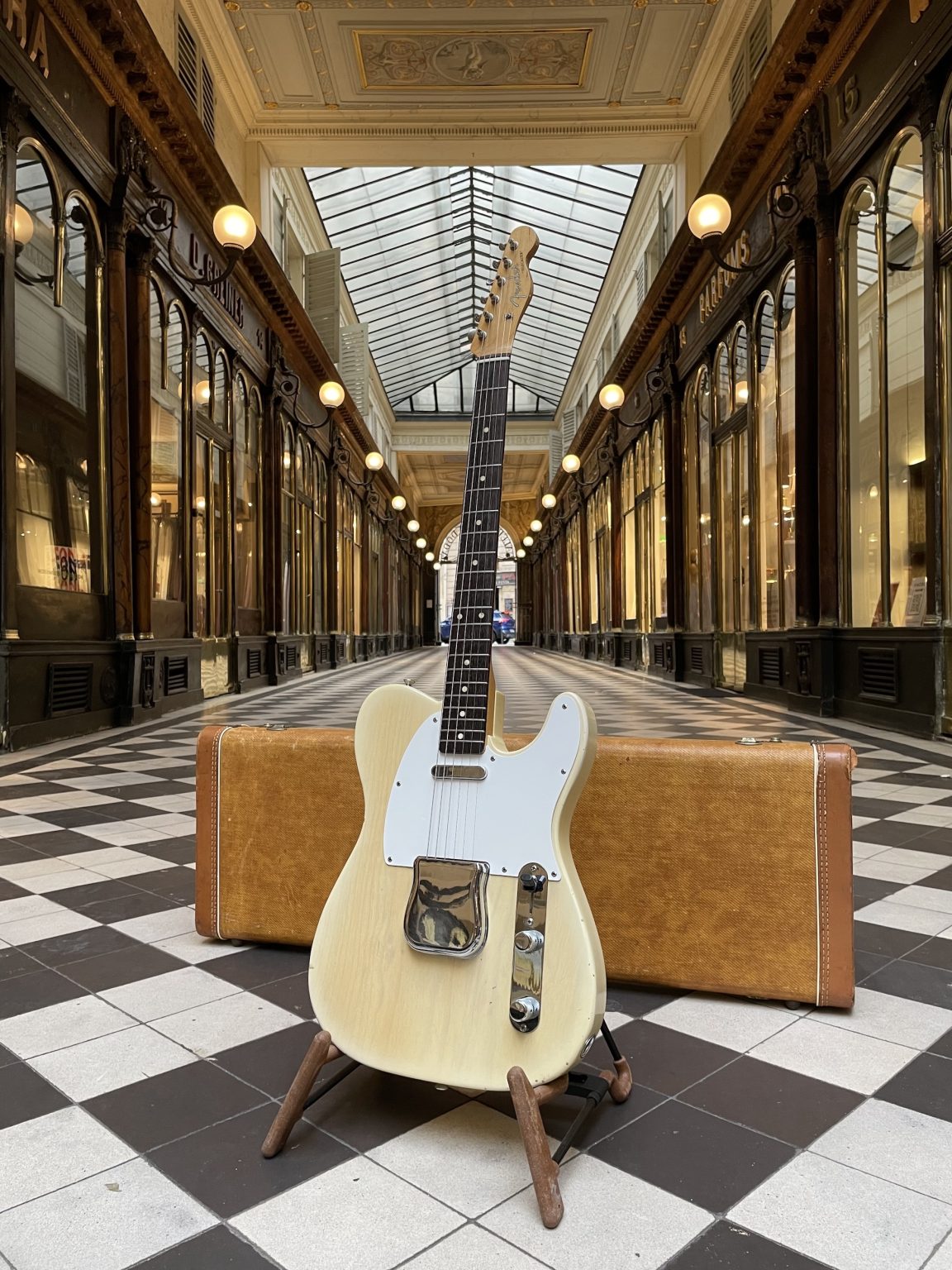
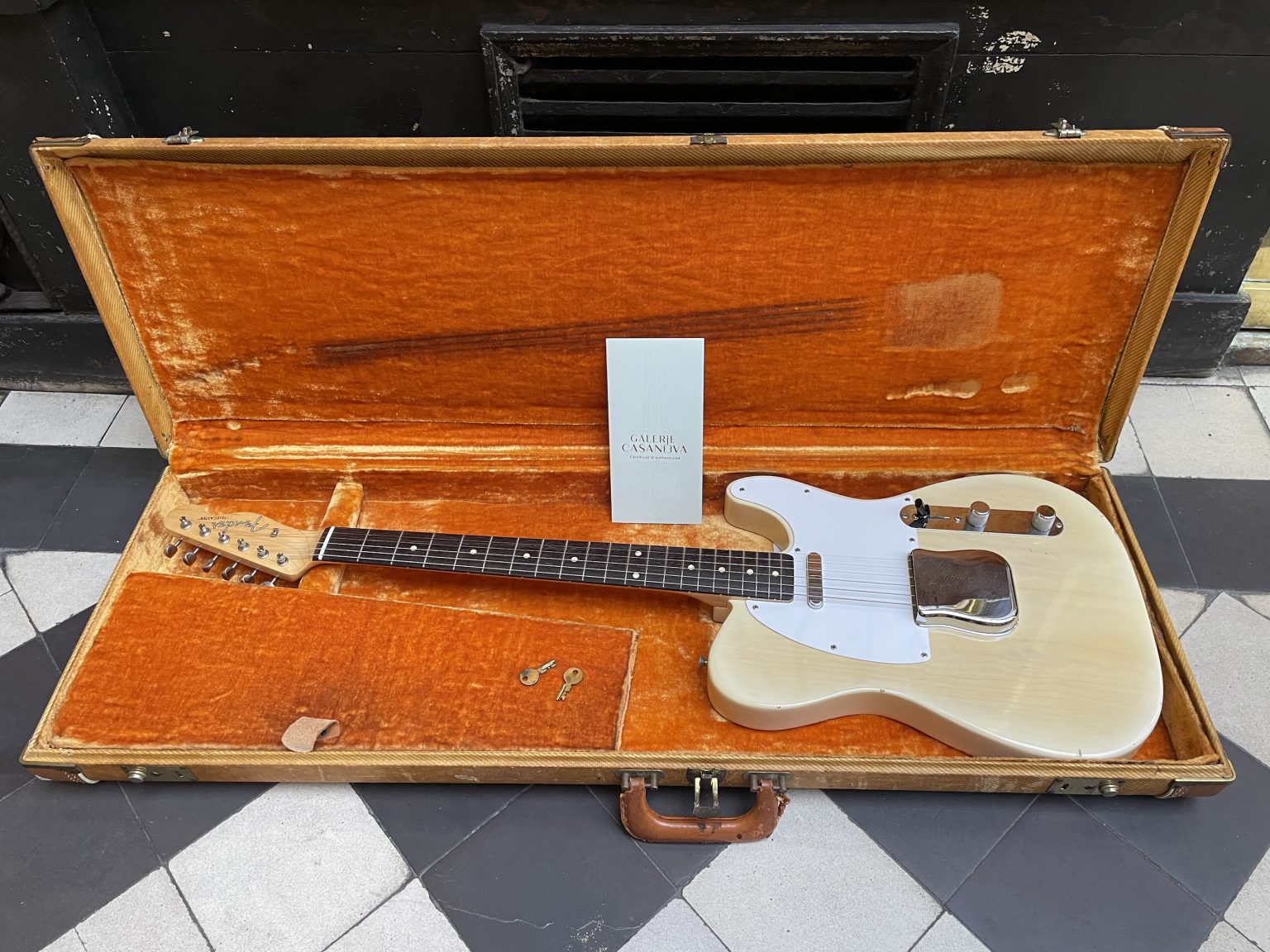
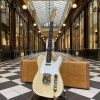
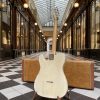
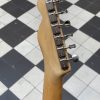
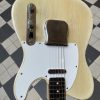
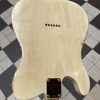
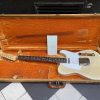
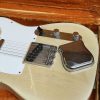

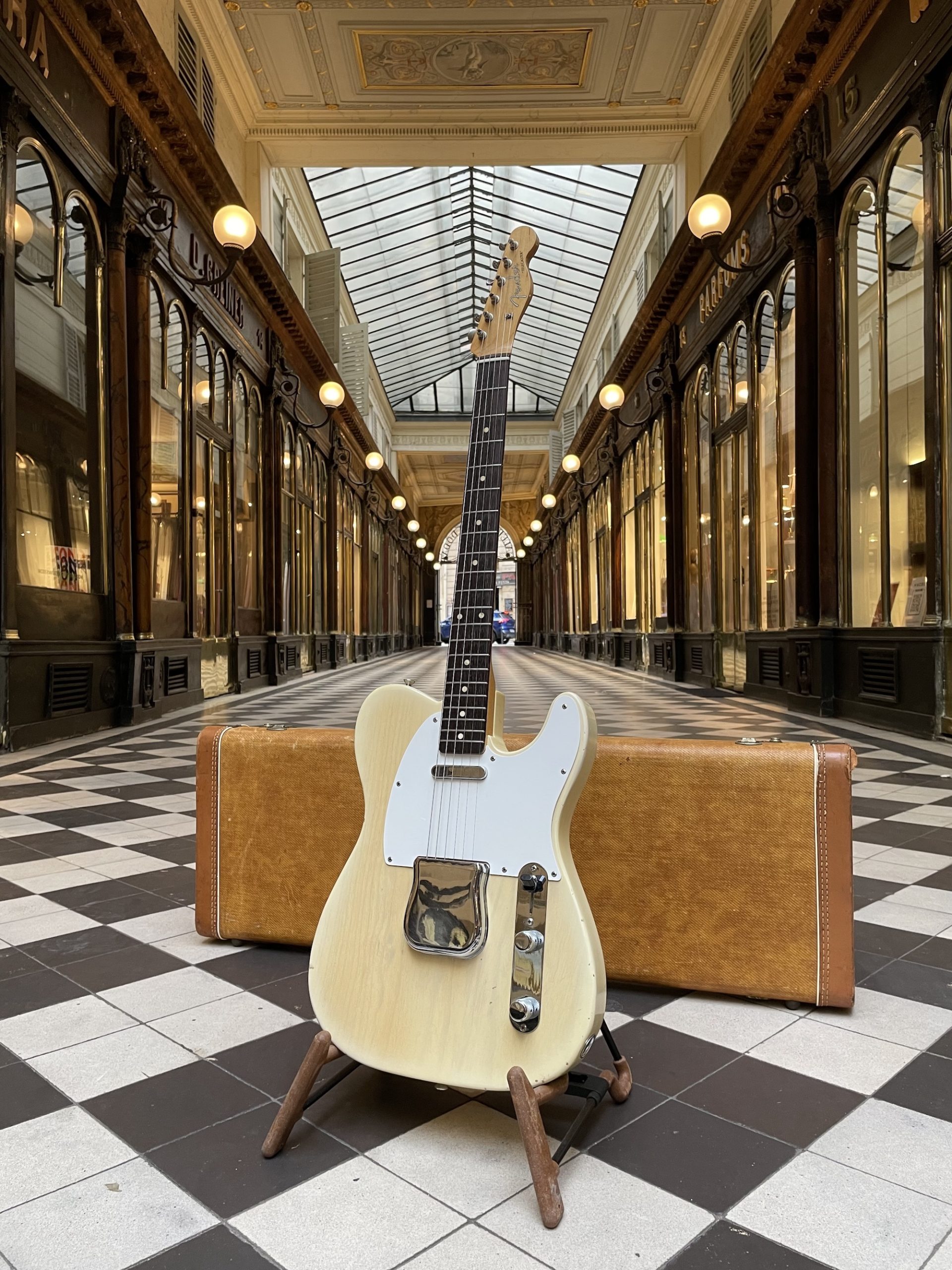
Stunning 1959 Fender Telecaster in remarkable original condition!
Here is an exceptionally well-preserved example of Fender’s seminal solidbody guitar, assembled as the company approached the decade into building these revolutionary instruments. Introduced in the mid-1950s as the Broadcaster, then renamed Telecaster following a dispute with Gretsch (which was marketing a Broadkaster line of drums at the time), this guitar was quickly embraced by a variety of professional musicians despite the derision of other musical instrument manufacturers. Leo Fender was deeply involved with the country & western music scene in Los Angeles, and was particularly close to Jimmy Bryant, undoubtedly the most virtuosic and popular among them. Bryant embraced the new solidbody guitar, recognizing its many advantages: improved ergonomics for enhanced playing comfort, a clear and crisp tone, and the absence of feedback. From then on, the Telecaster made its debut on the national scene and established itself as one of the key sonic and visual markers of amplified music in the 1950s.
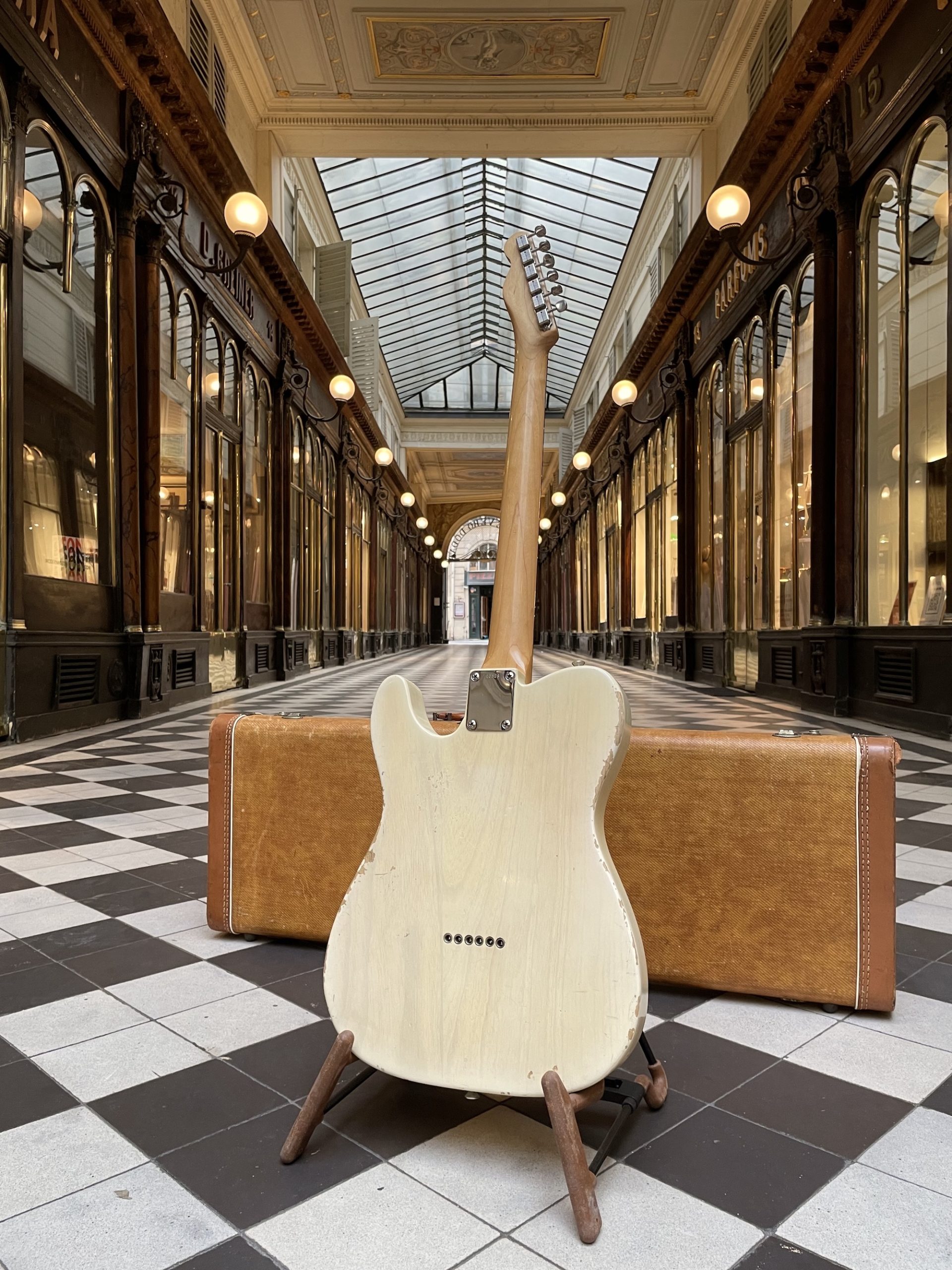
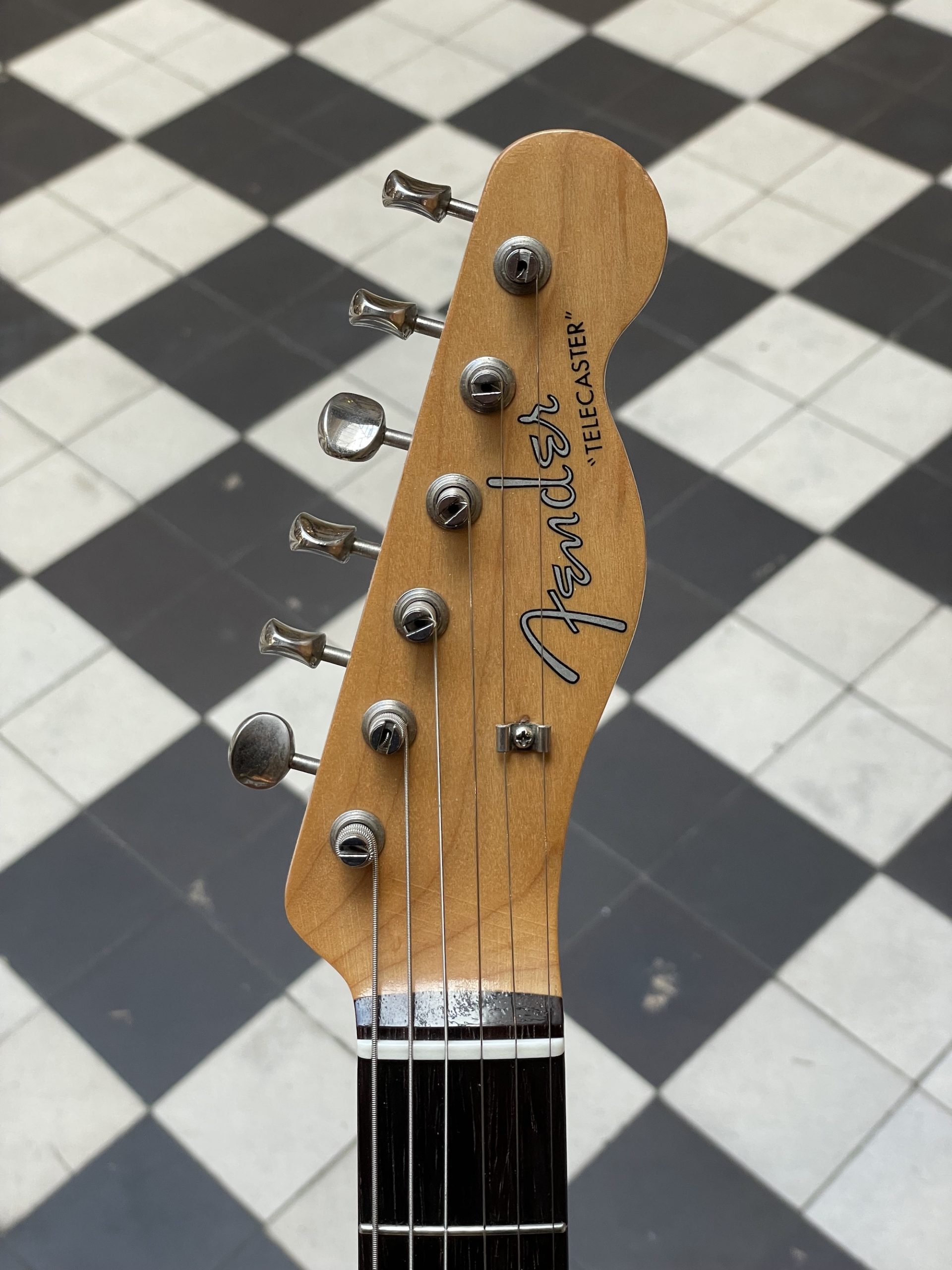
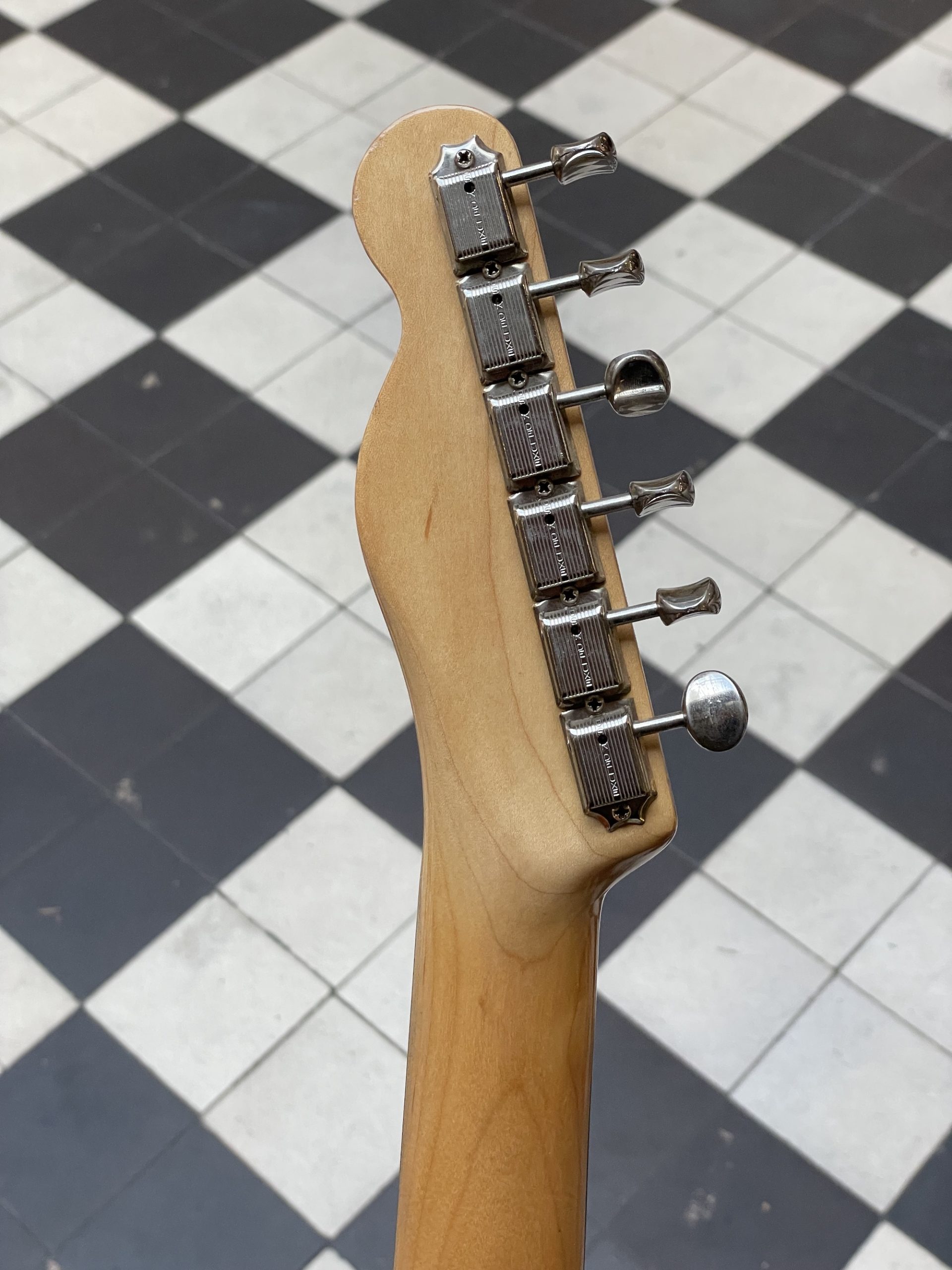
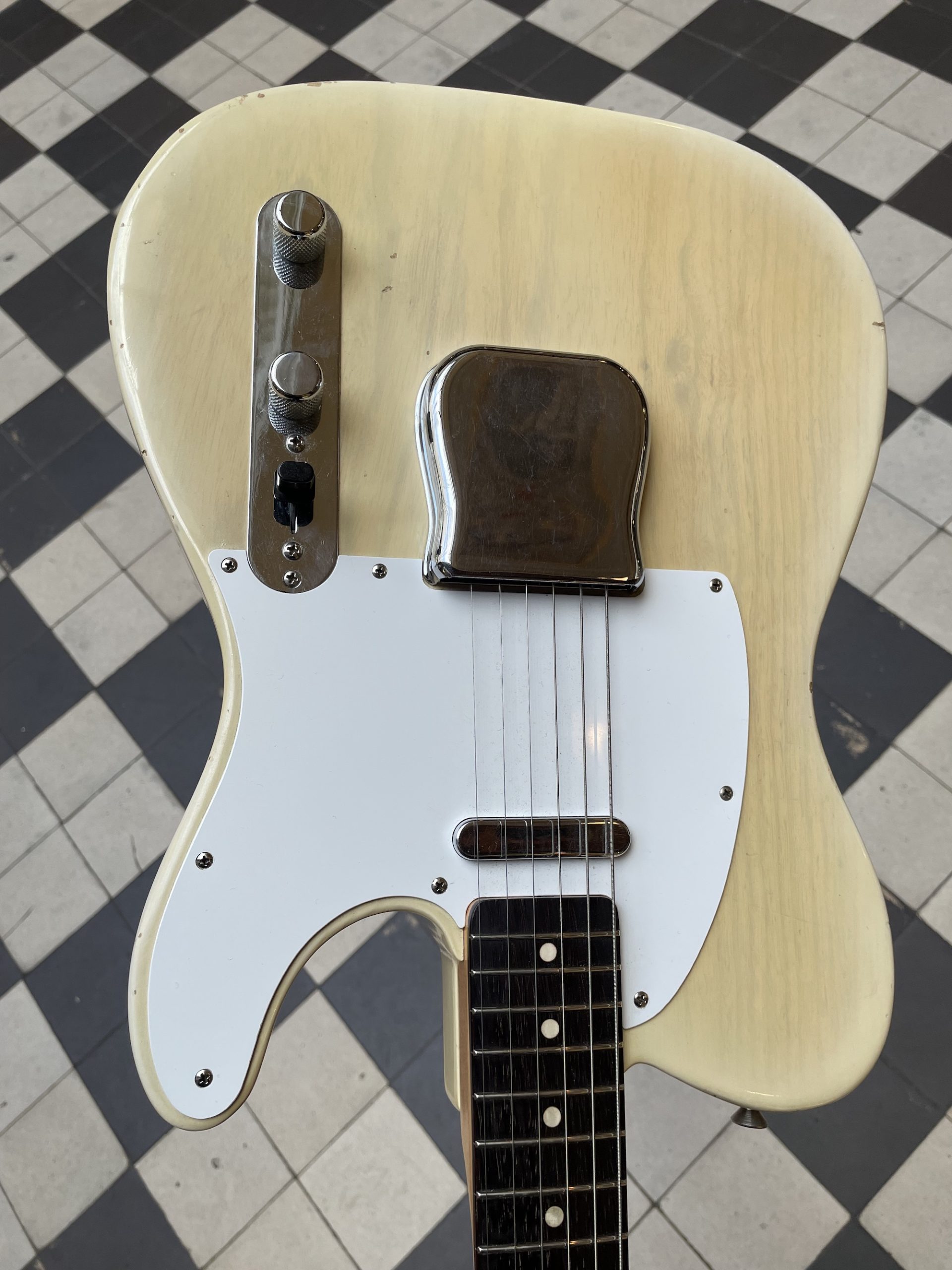
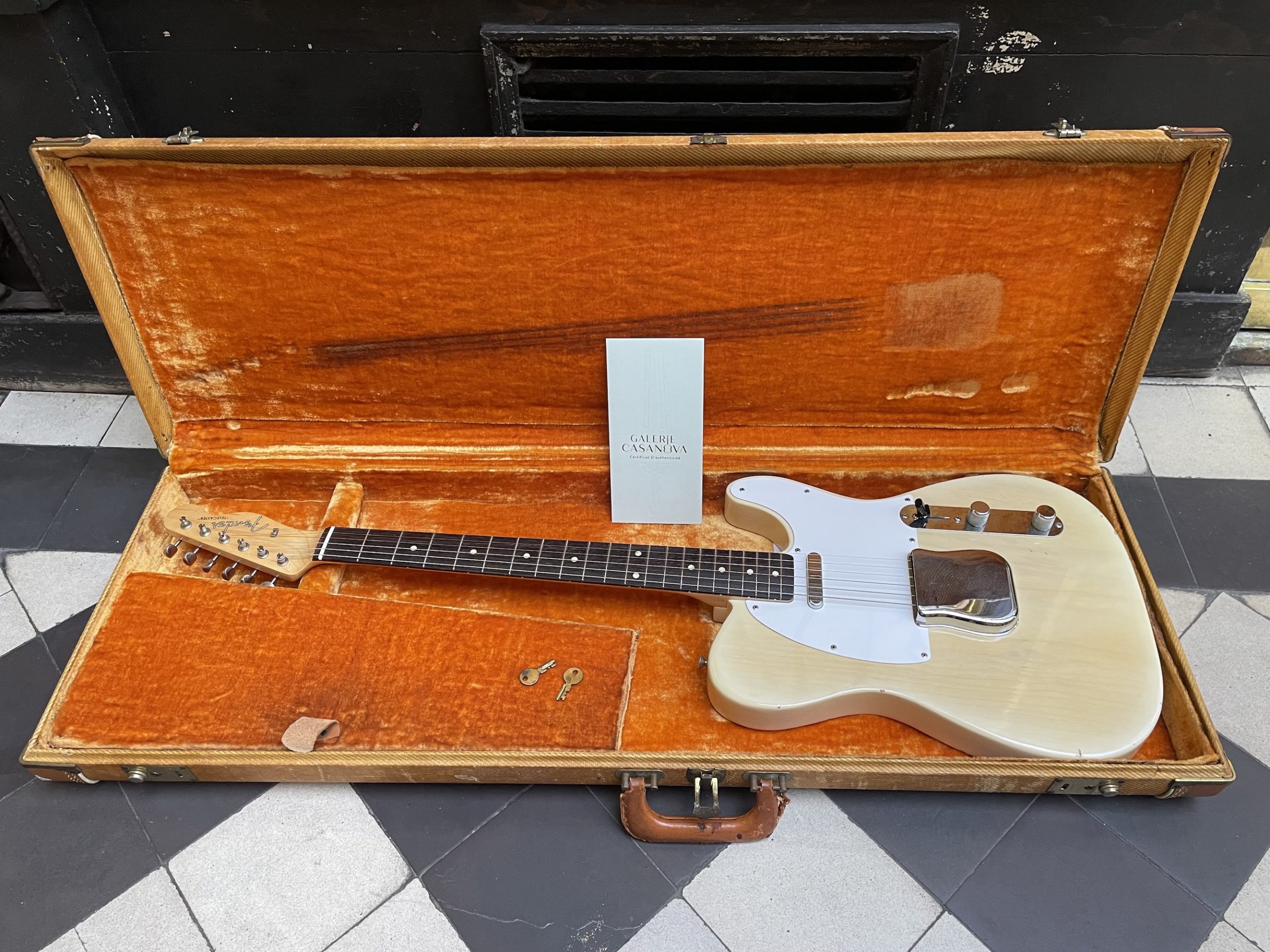
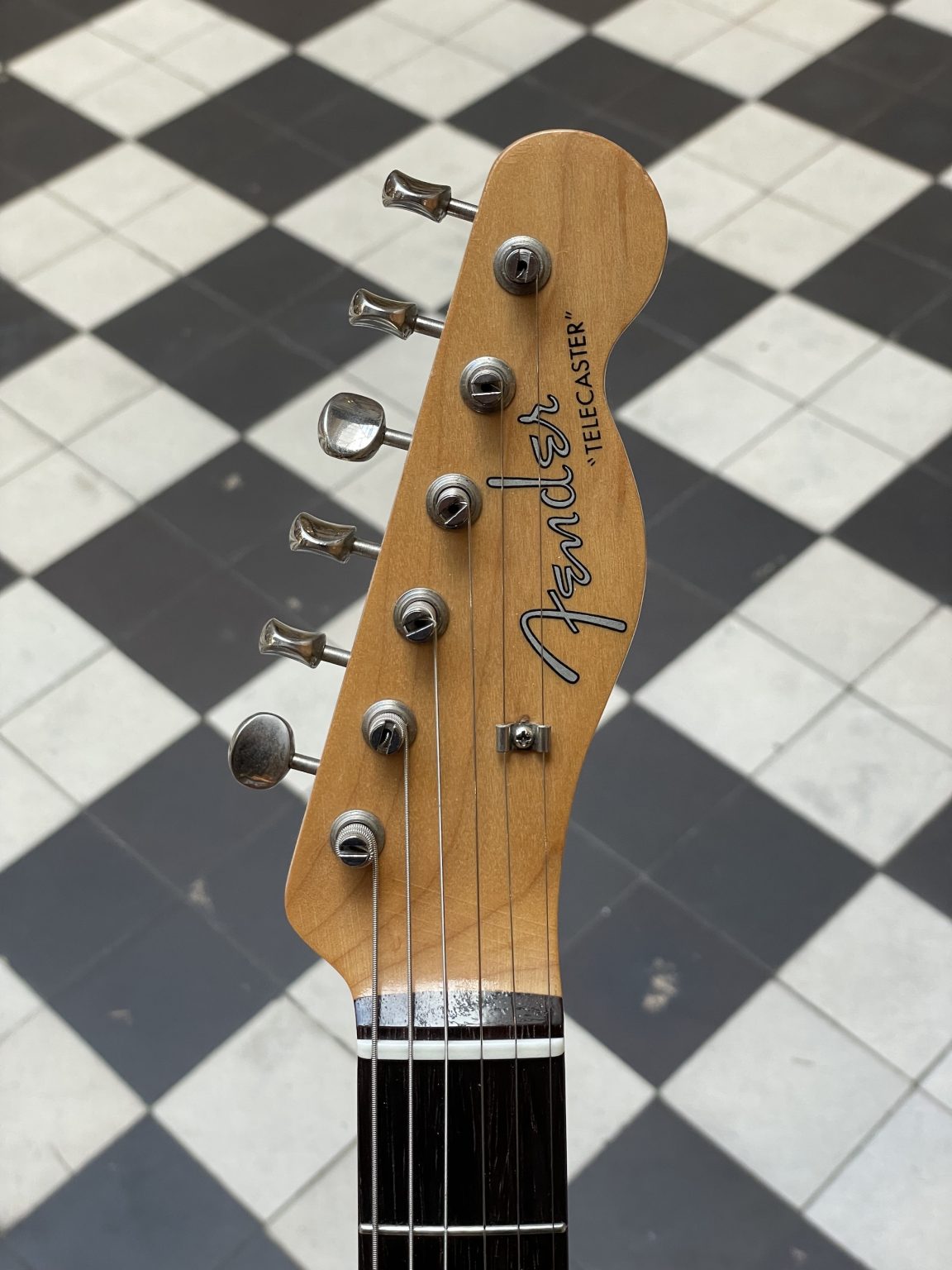
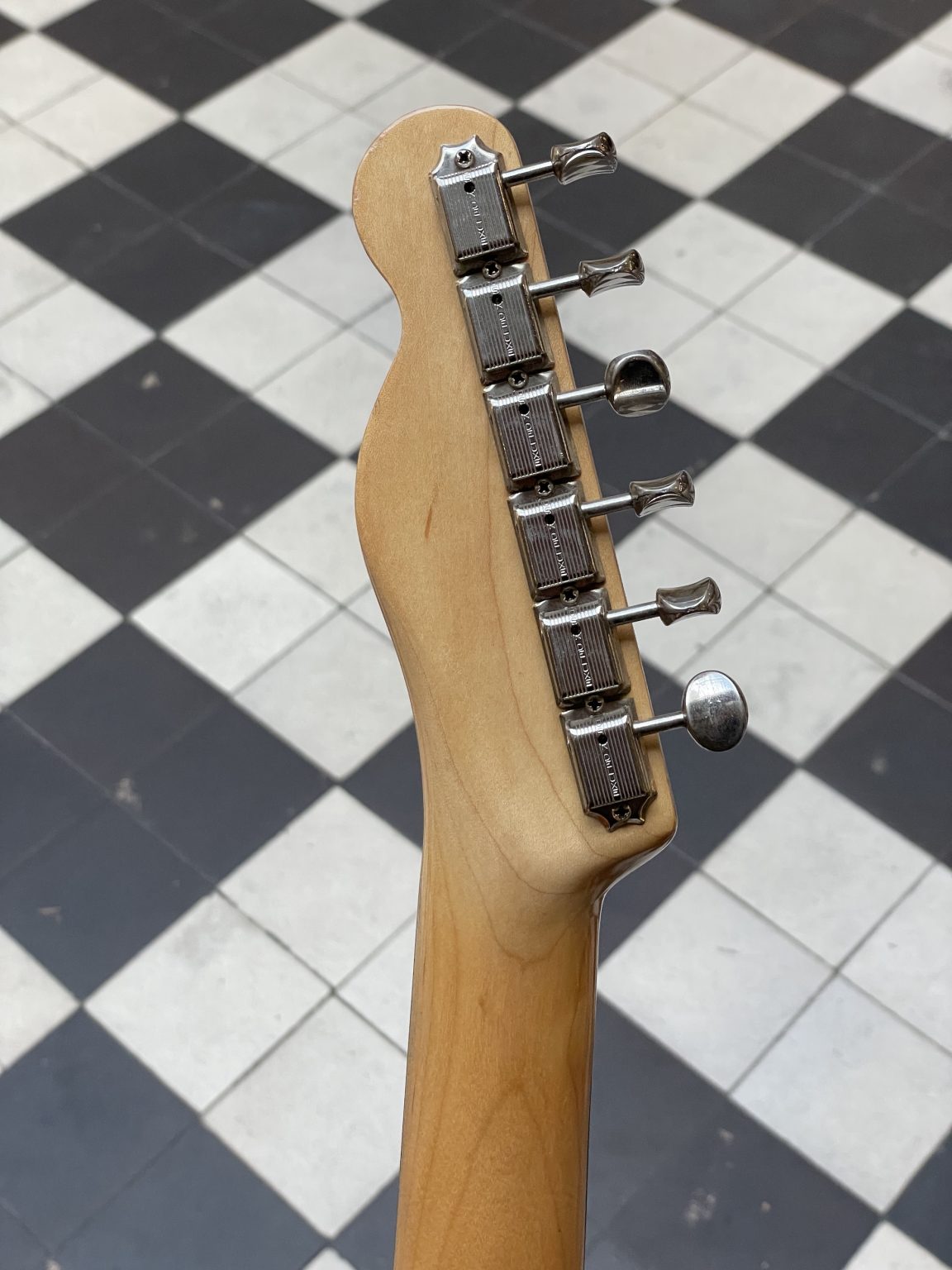
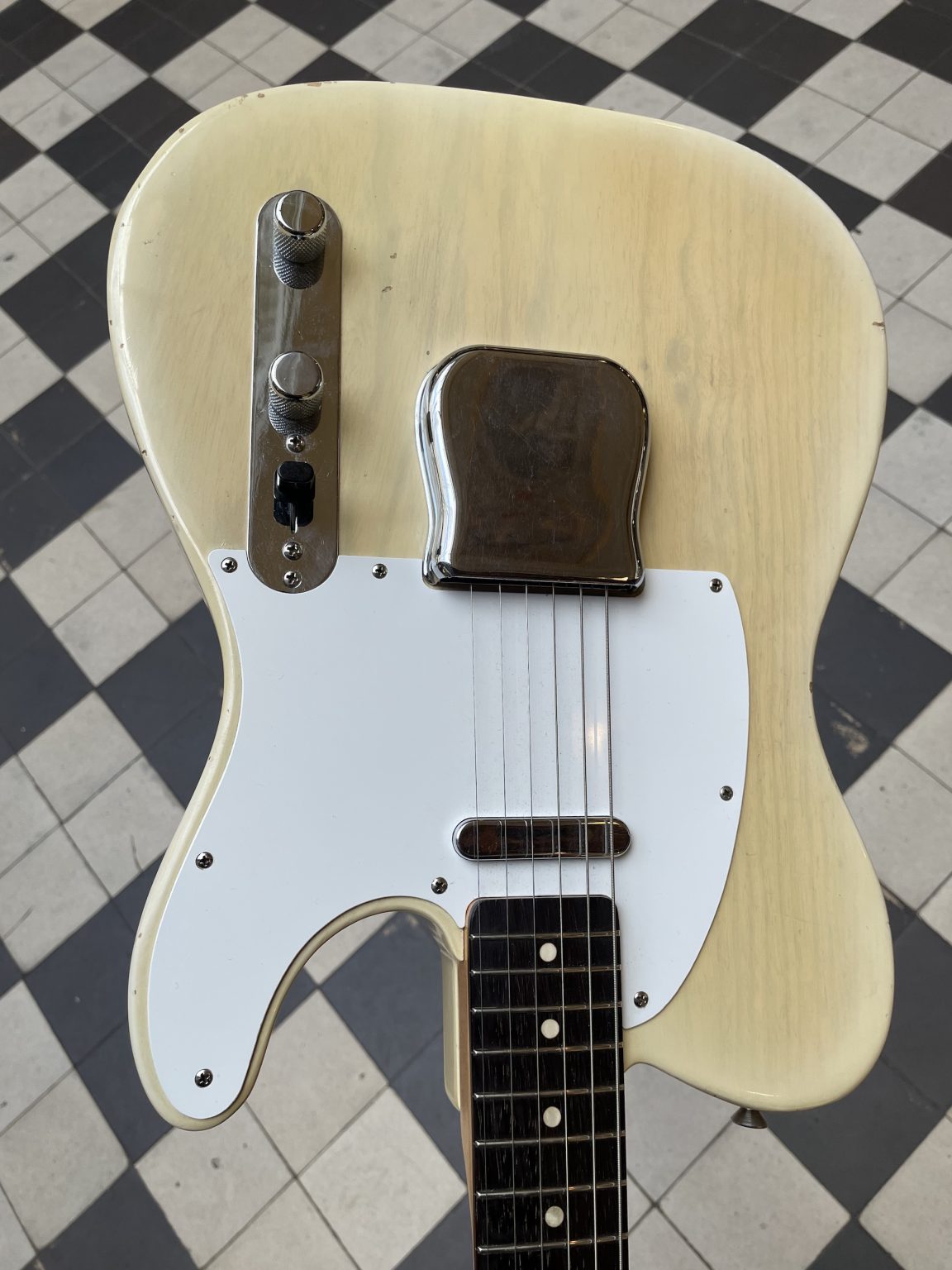
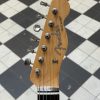
The model presented here features all the typical characteristics of the late 1950s: the most obvious element is the pickguard, made of a single layer of white plastic, which replaced the black phenolic pickguard originally fitted to the Telecaster and Precision Bass, thus harmonizing its aesthetics with those of the new Stratocaster. The ash body boasts a Blonde finish that is much lighter and “whiter” than the amber hued finish typical of the early 1950s. This style of finish would remain the standard well into the 1960s, even after Fender’s acquisition by CBS. Another notable feature is that this guitar is among the first to feature a maple neck topped with the spaghetti logo and a rosewood fingerboard. This characteristic was introduced in 1958 with the new top-of-the-line Jazzmaster model, and like the white pickguard, Fender quickly extended it to the rest of its line between 1959 and 1960 (the first year in which all instruments appeared in the catalog with a rosewood fingerboard). For the first four years, the fingerboard consisted of a thick piece of Brazilian rosewood glued flat to the maple. This construction is known as a slab board—a term that, for many, evokes the golden age of the Fullerton company.
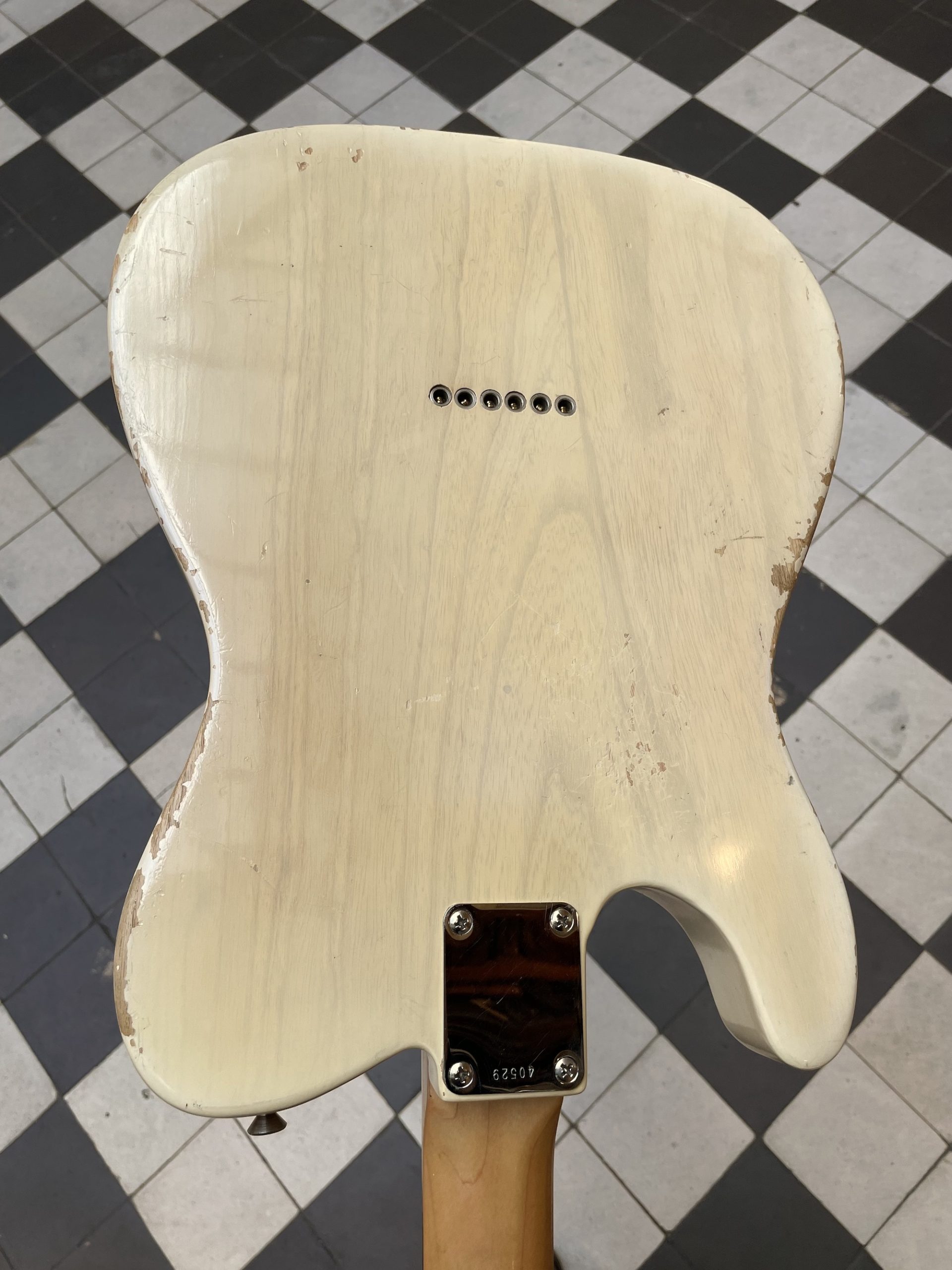
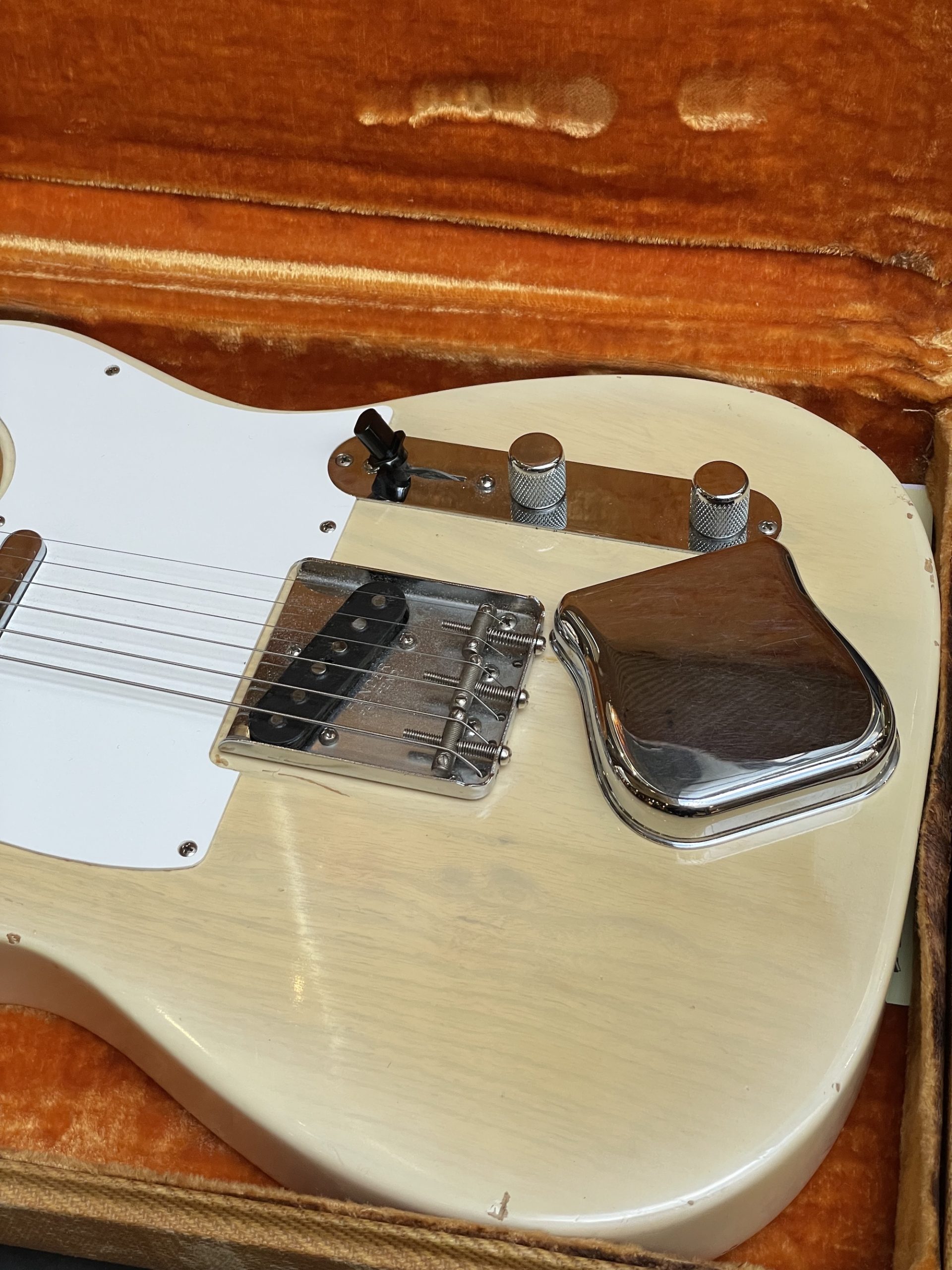
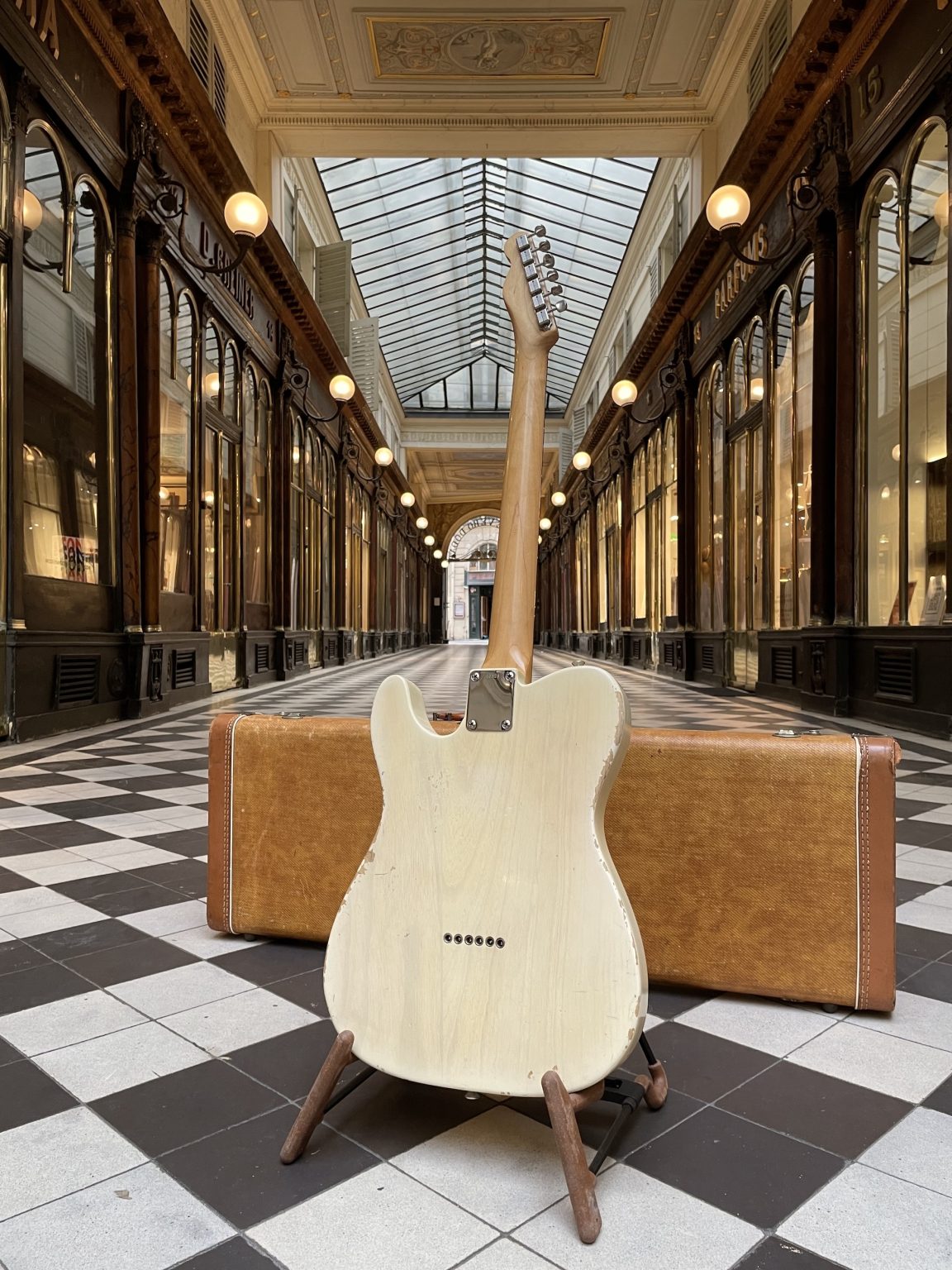
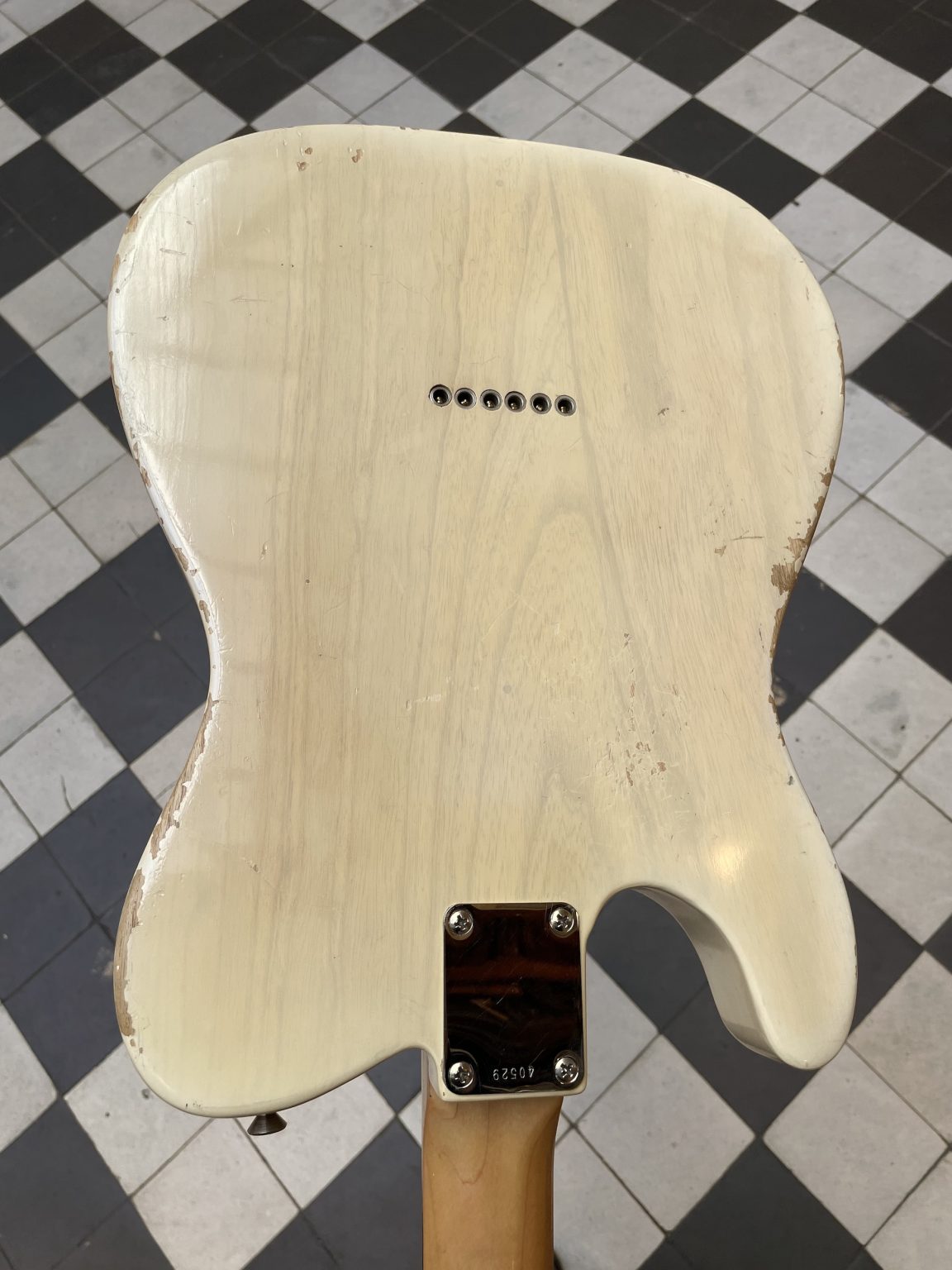
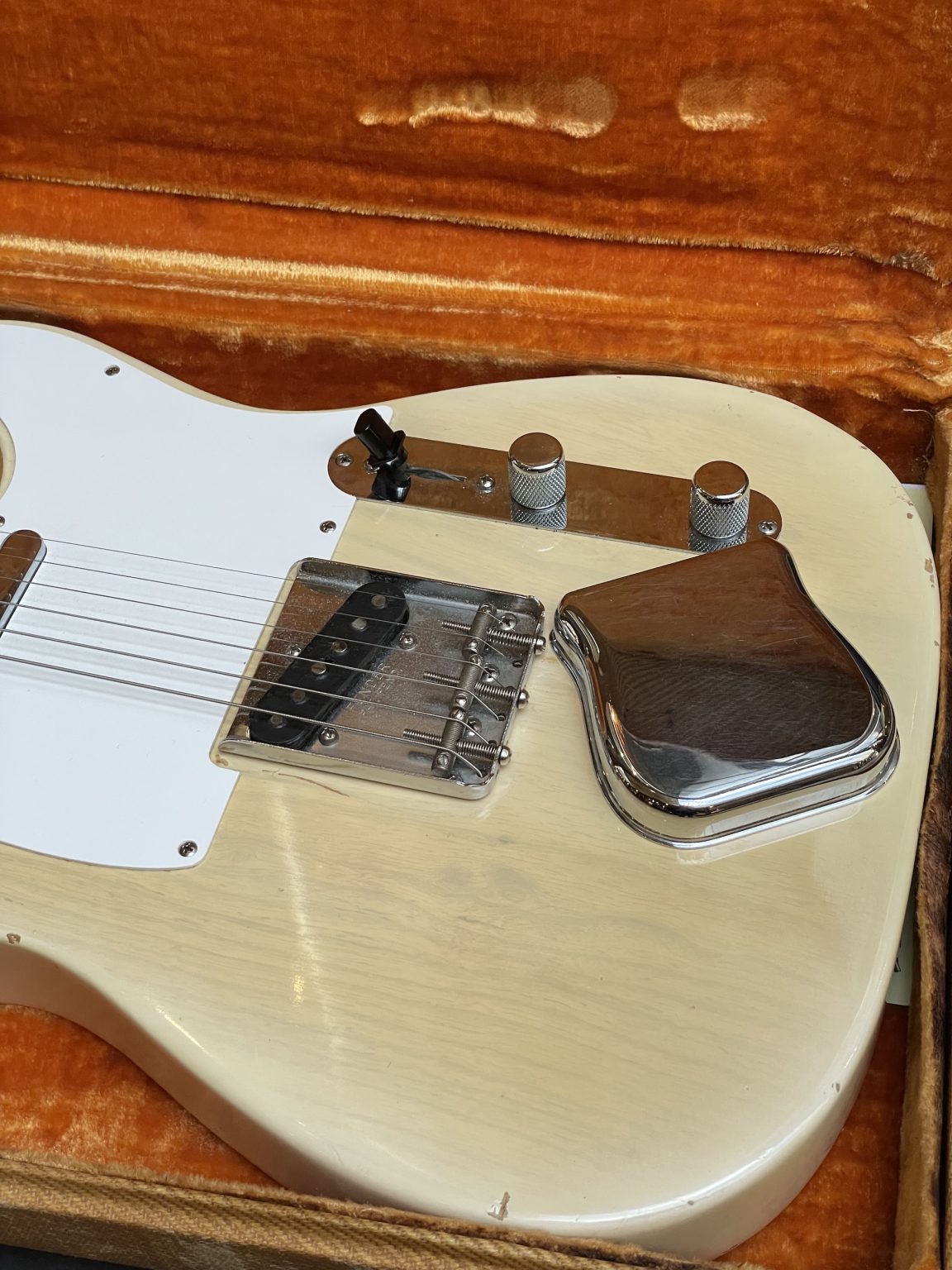
Let’s focus on a particularly interesting feature: although the Telecaster’s design had been essentially unchanged for several years, Fender undertook a modification to the bridge configuration towards the end of 1958. Instead of the so-called through-body construction, where the strings are mounted via holes in the back of the body, a new system called the top-loader was introduced, allowing the strings to be mounted through holes directly in the bottom portion of the bridge plate. The reason for this modification is not definitively established: some speculate that the aim was to replicate the successful introduction of the top-loader bridge on the Precision Bass shortly before; however, the most likely hypothesis is simply a reduction in the time required, and therefore the cost, of body construction (for those who haven’t tried their hand at it, it’s hard to imagine the difficulty of precisely and uniformly aligning six holes in a block of wood several centimeters thick!). The top-loader bridge was far from universally popular, as it radically altered the Telecaster’s vibration pattern and the resulting tone. Unsurprisingly, it was quickly abandoned, and Fender reverted to the original through-body design. This particular Tele bears witness to this brief period: built in late 1959, it features the traditional construction with strings passing through the body; however, the original bridge plate features both a row of holes for through-body mounting and a secondary row for top-loading, making both options available for those wishing to form their own opinion on the matter. To conclude this anecdote, it’s worth noting that although the top-loader configuration didn’t gain enough traction among Telecaster players in the late 1950s to become a lasting feature, at least two artists made notable use of it in the 1960s: Jeff Beck acquired a 1959 slab board/top-loader model when he joined The Yardbirds in 1965 as a spare guitar in case his iconic Esquire broke down, before giving it to Jimmy Page as a thank you for introducing him to the other band members. Page made it his main guitar during his time with the Yardbirds until he joined Led Zeppelin and recorded their first album in 1969 (at that time, the Telecaster was adorned with a custom finish depicting a psychedelic dragon). For film buffs among our readers, this is the same guitar that we glimpse being played by Page with the Yardbirds in the iconic scene from Antonioni’s Blow-Up (1967) – moments before the initially impassive audience erupts in a frenzy, clawing at each other for the pieces of a guitar smashed on stage by an enraged Jeff Beck. So, if you wanted to perfectly recreate the configuration of this legendary guitar while still allowing for the option of a traditional setup, you couldn’t find a better Telecaster than the one presented here!
This guitar is in 100% original condition with its pristine Blonde finish, its plastic and metal hardware (including the ashtray bridge cover), its two single-coil pickups, and all their associated electronic components. One point that often confuses the 21st-century Telecaster player: the wiring is still in its original configuration. The first position engages the neck pickup with a capacitor that blocks all the high frequencies (the famous “dark circuit,” producing a warm, round tone). The second position connects the neck pickup with the classic tone control, and the third position connects the bridge pickup, also with a tone control. All three positions go through the regular volume controls. It’s particularly rare to find this original configuration, as many Telecasters were rewired for the system we know today—the number of intact examples is minuscule. There is very slight wear throughout the instrument, mainly on the parts that come into contact with the player. Set up and ready to play with low action and adjusted intonation, and weighing in at a mere 3.2 kg… this guitar is a true gem, ready for the next 65 years of its life!
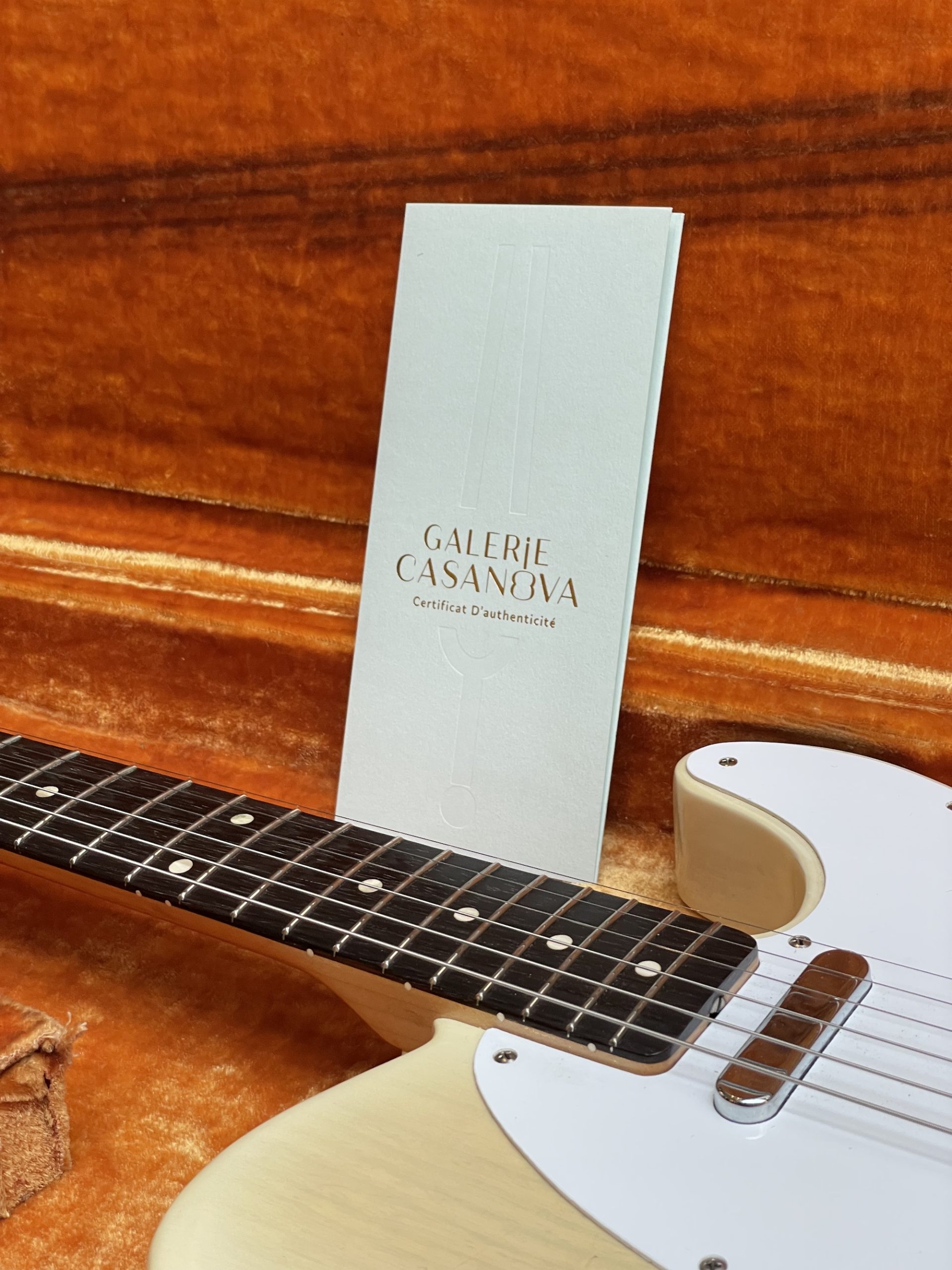
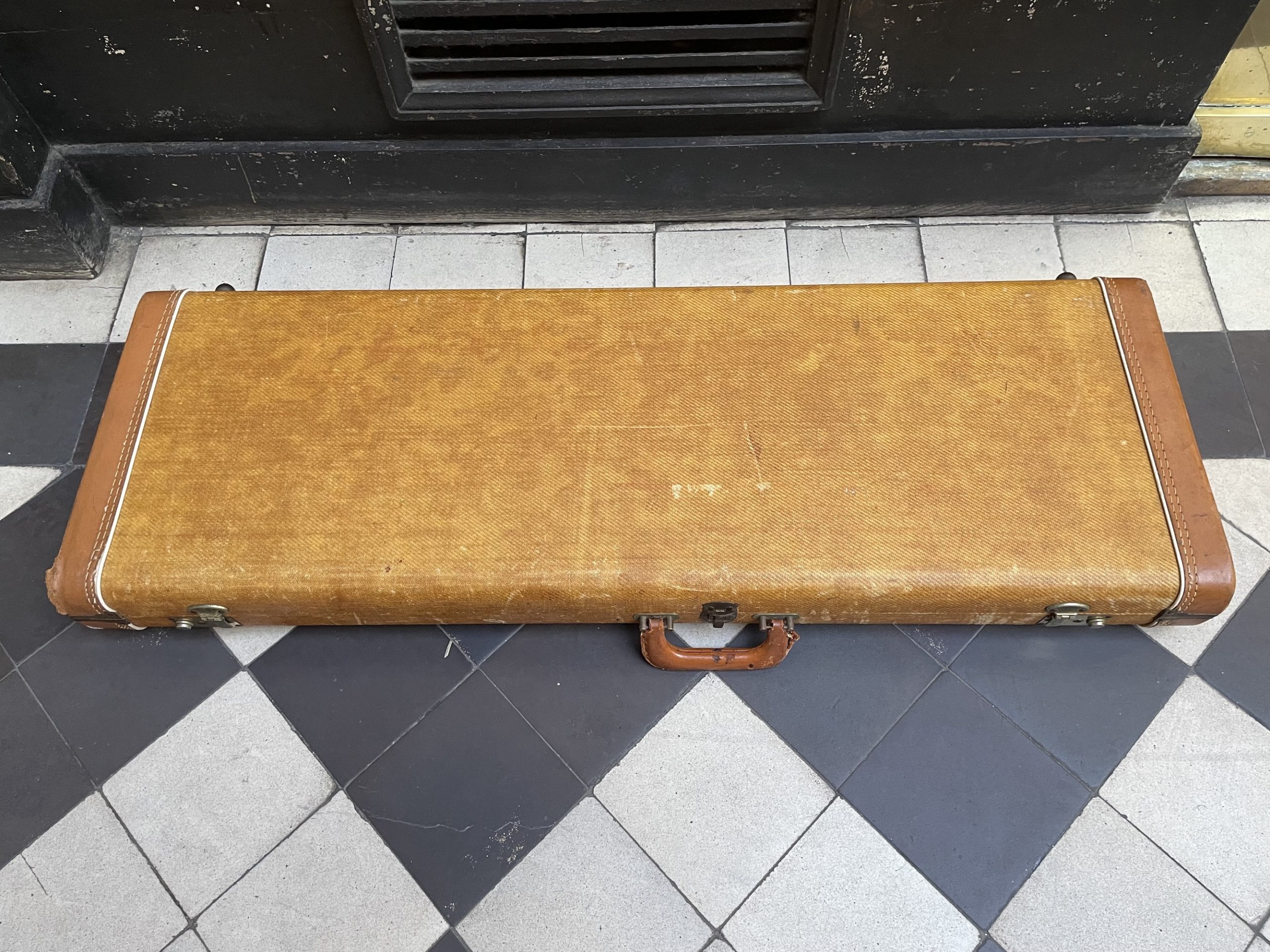
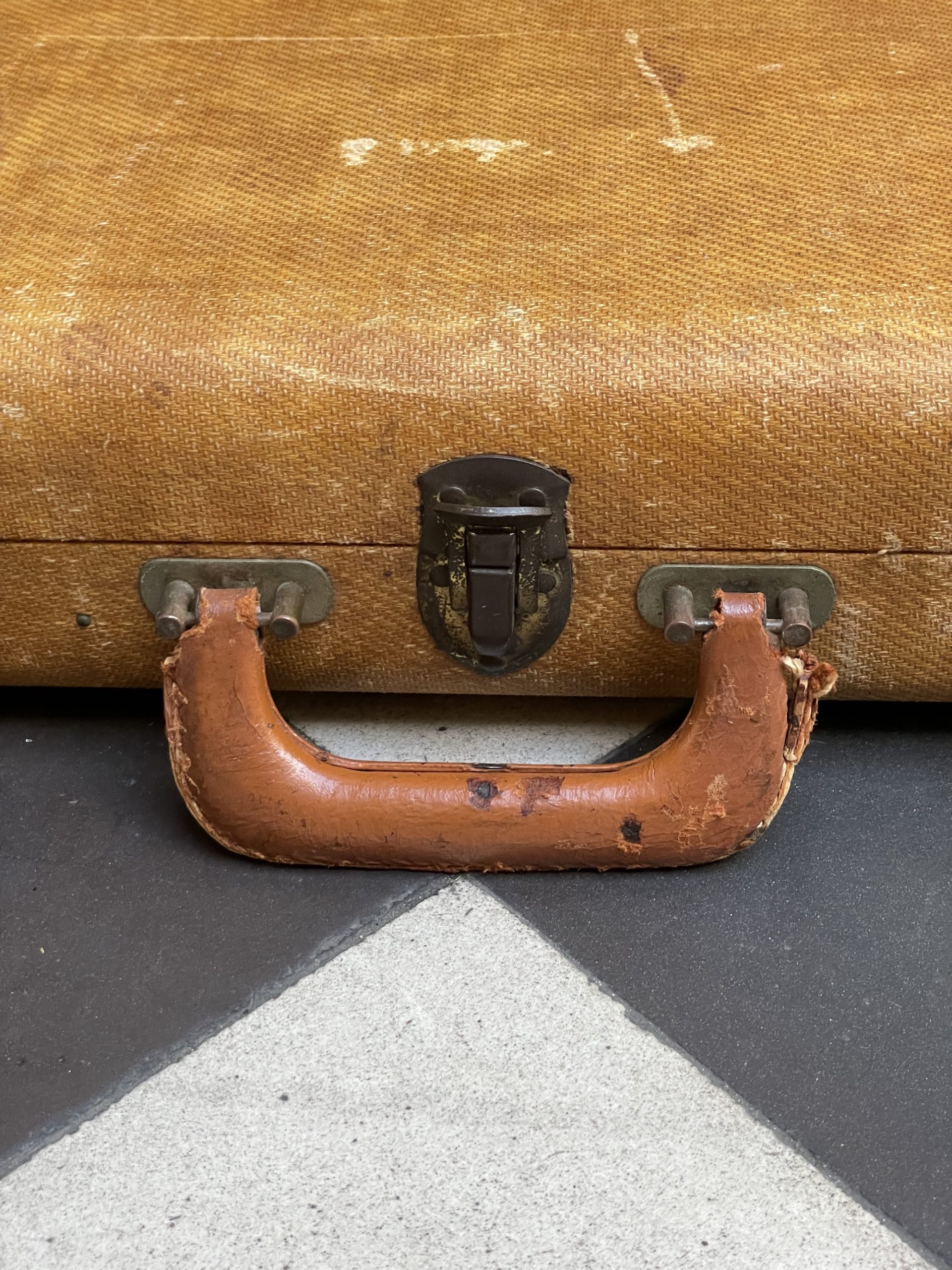
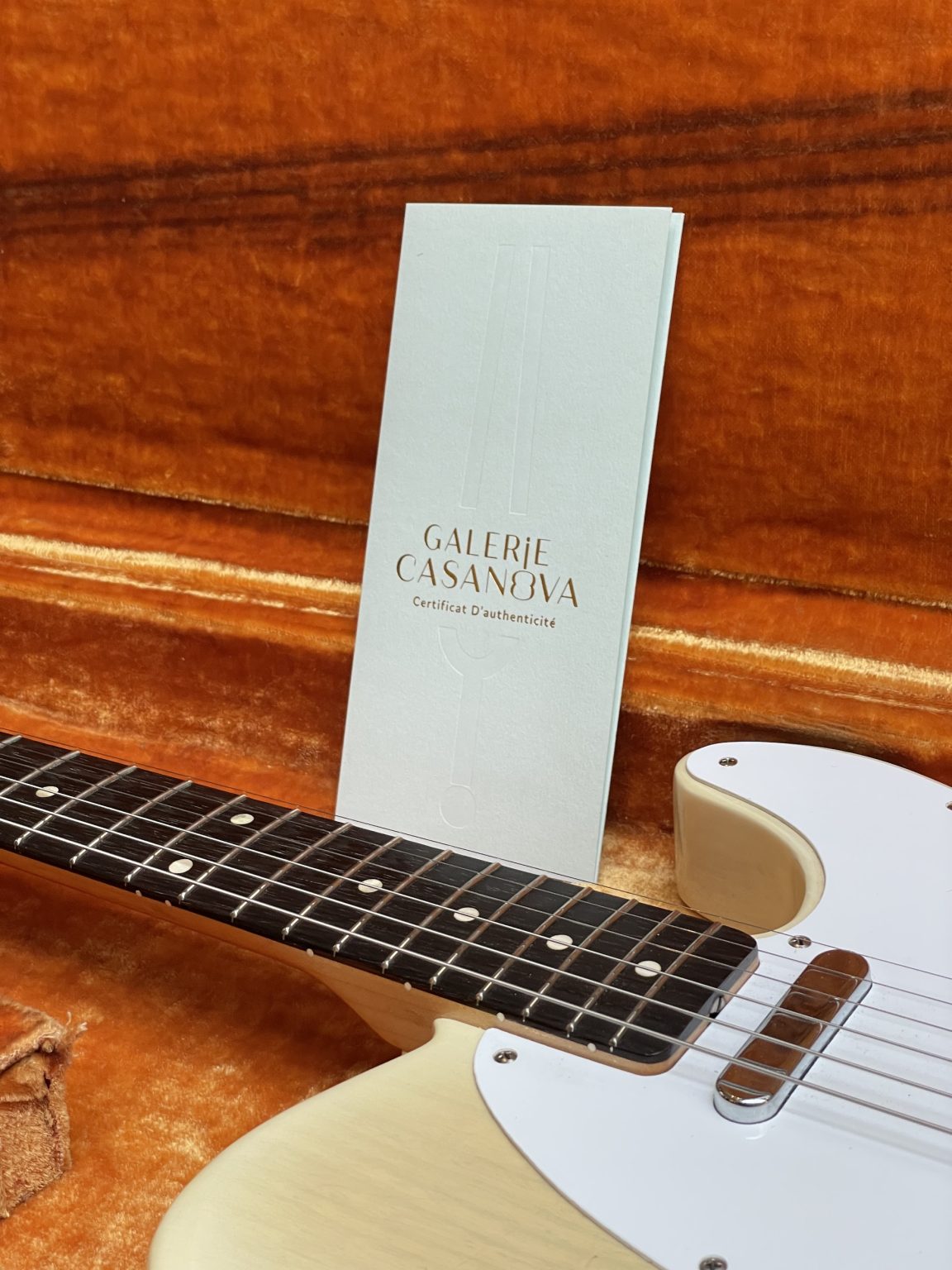
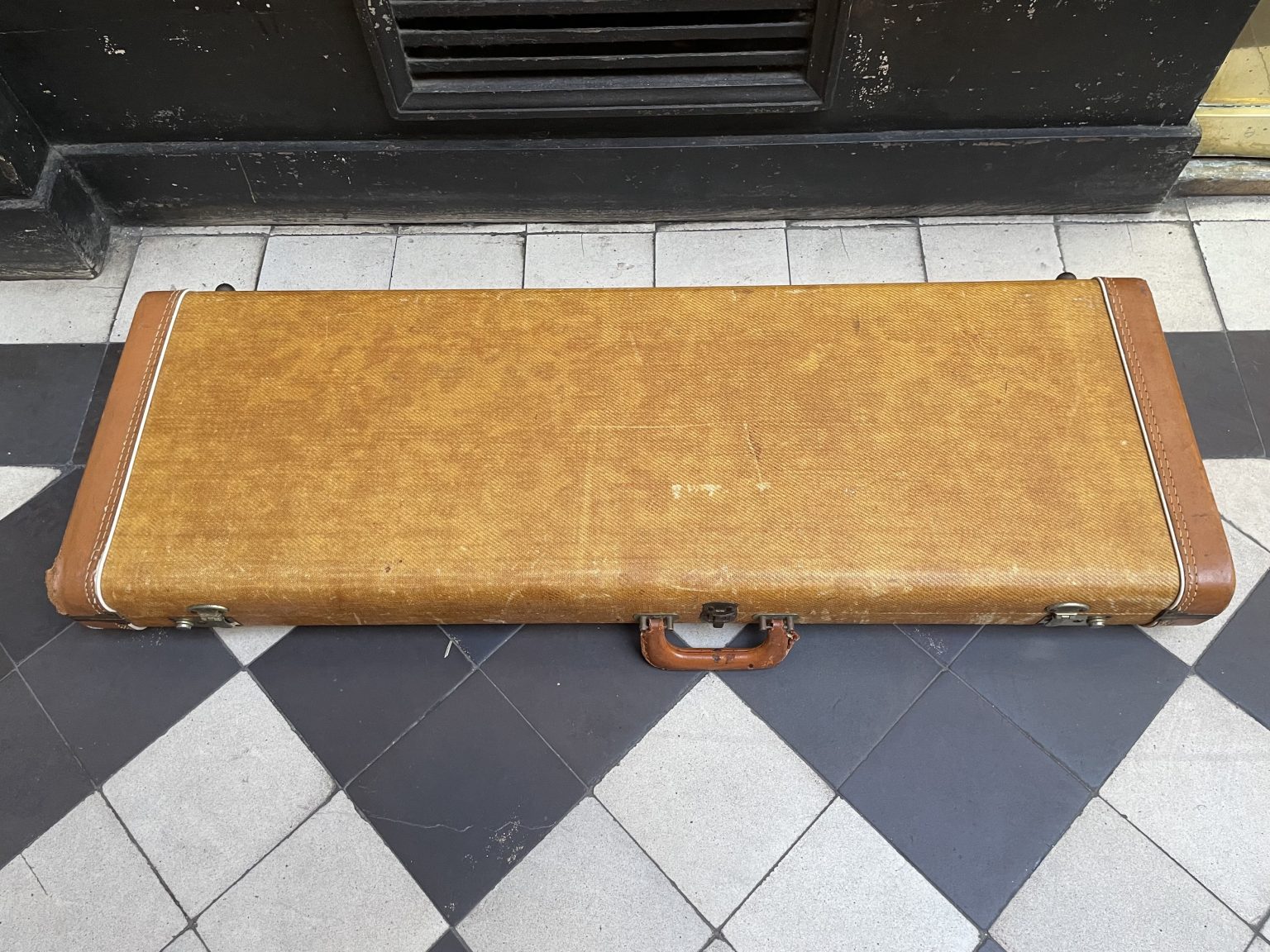
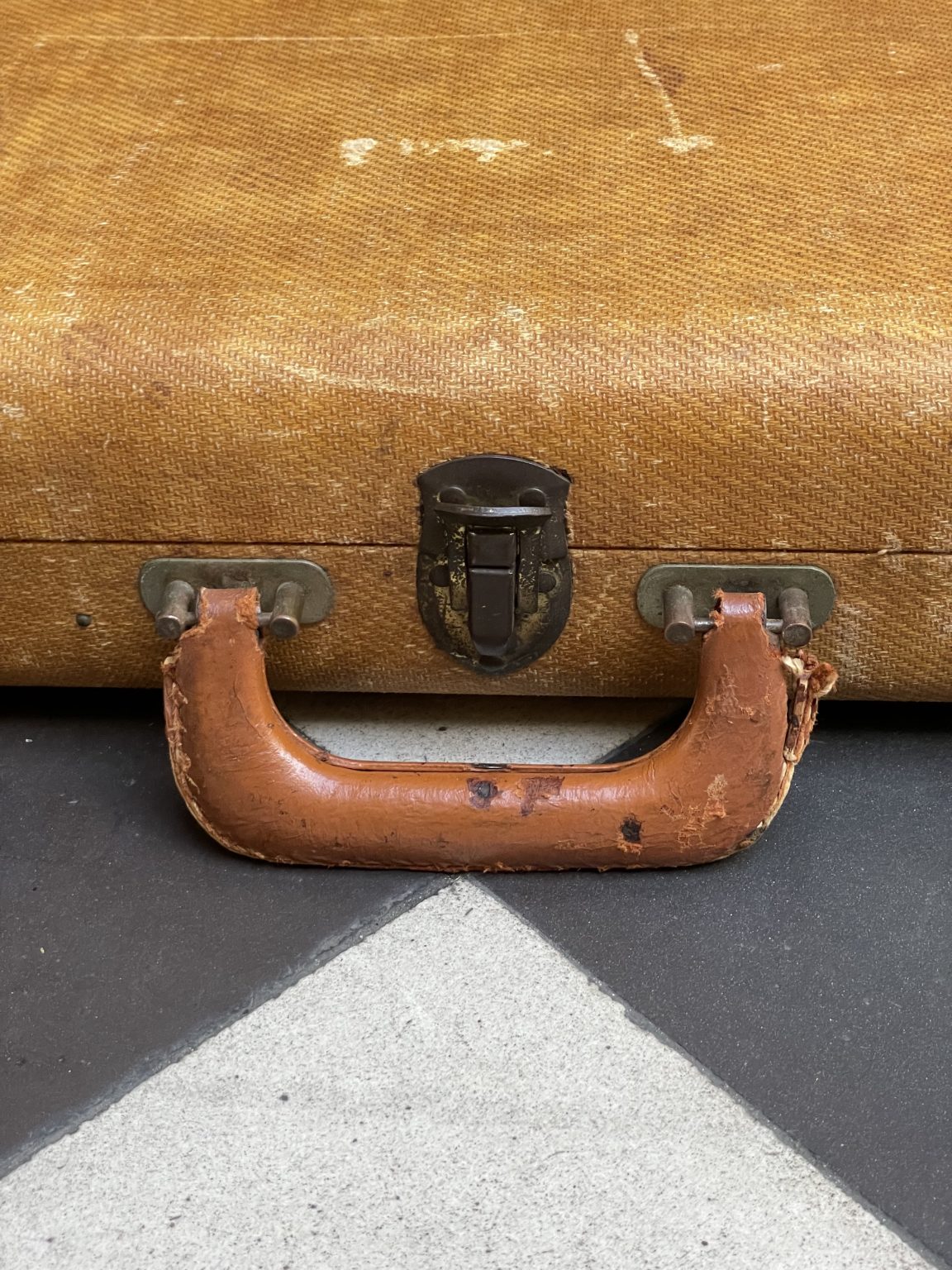
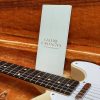
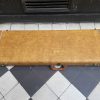
Delivered in its original tweed case (with keys!), accompanied by its certificate of authenticity issued by Jérôme Casanova.
Related products
-
Sale!
1971 FENDER TELECASTER ROSEWOOD
€28.000,00Original price was: €28.000,00.€25.900,00Current price is: €25.900,00.