


1950 GIBSON SUPER 400CN
€23.800,00
In stock
The prices indicated correspond to the price in the case of payment in-store or by bank transfer. In the case of payment by credit card via the website, a processing fee of [3.25% + €0.25]* will be applied to the total amount of the basket, including delivery costs.
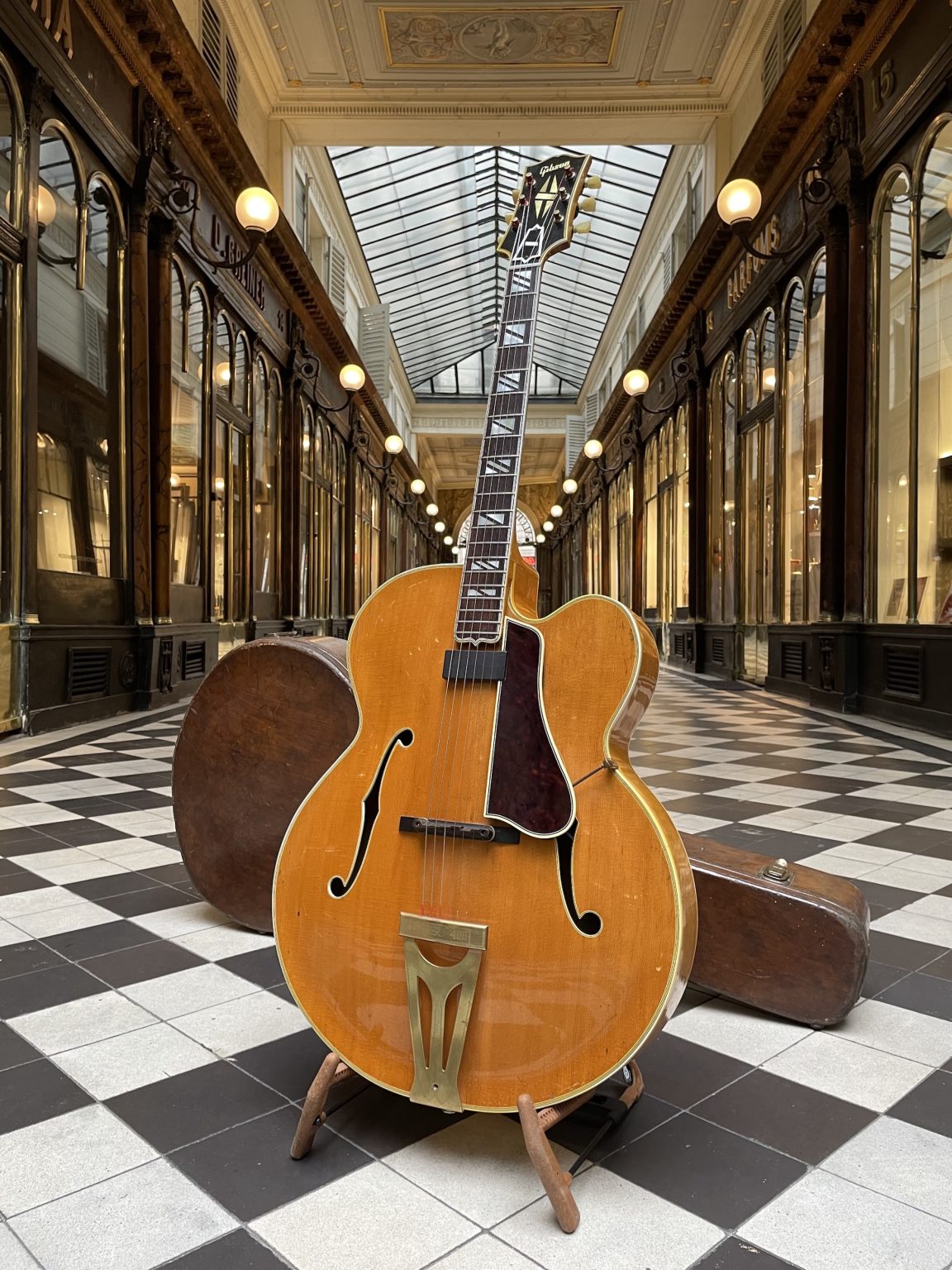
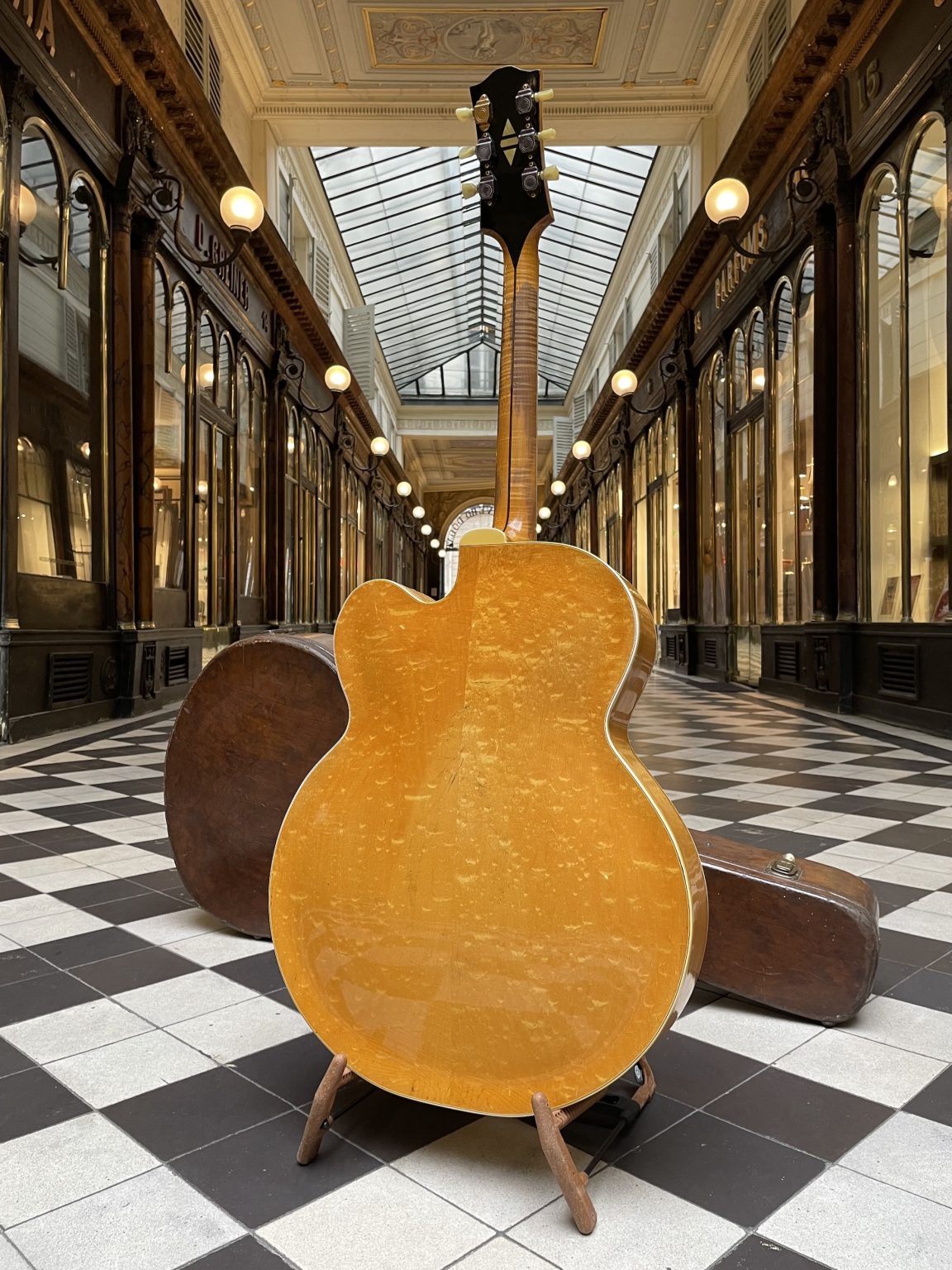
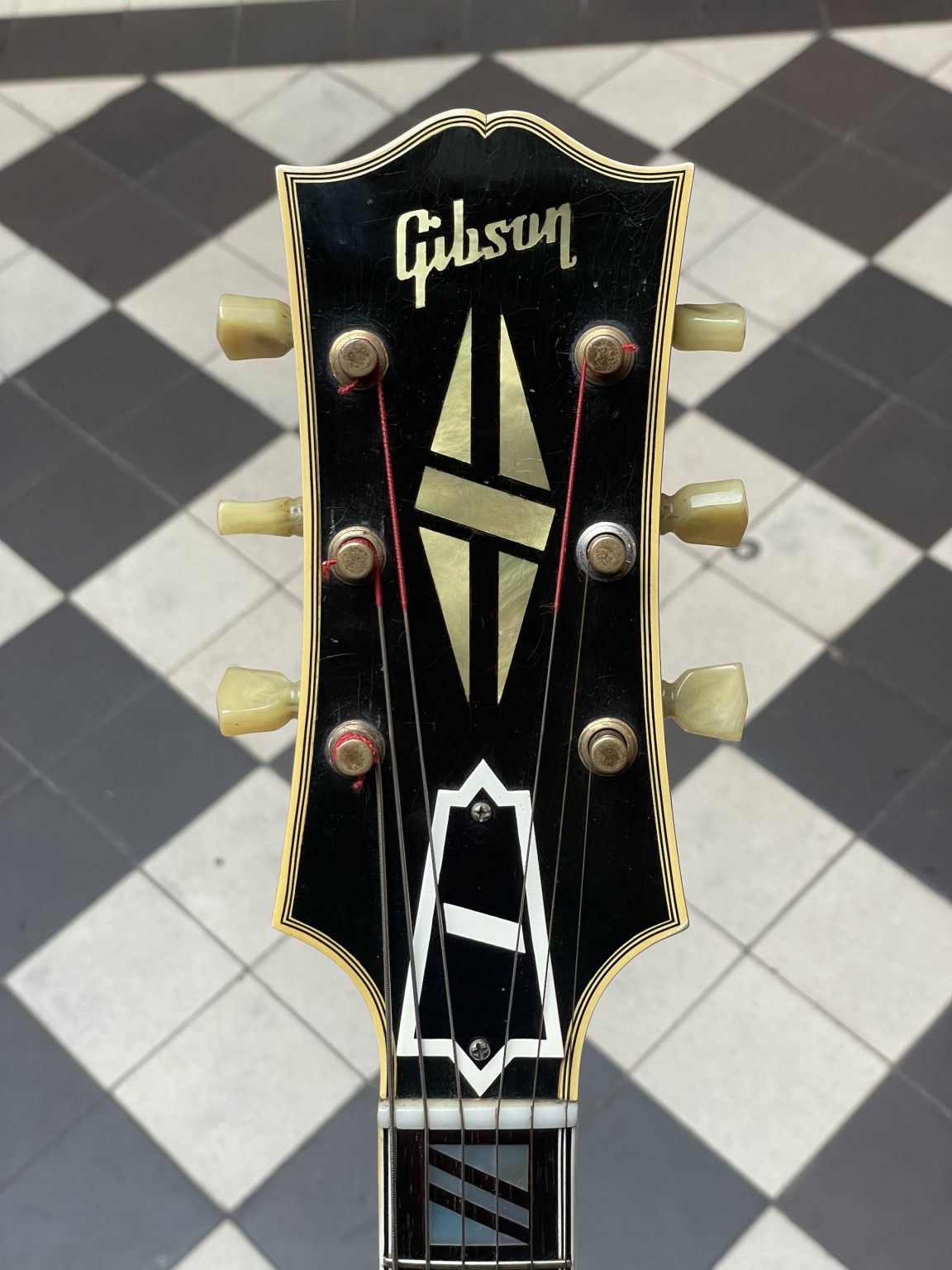
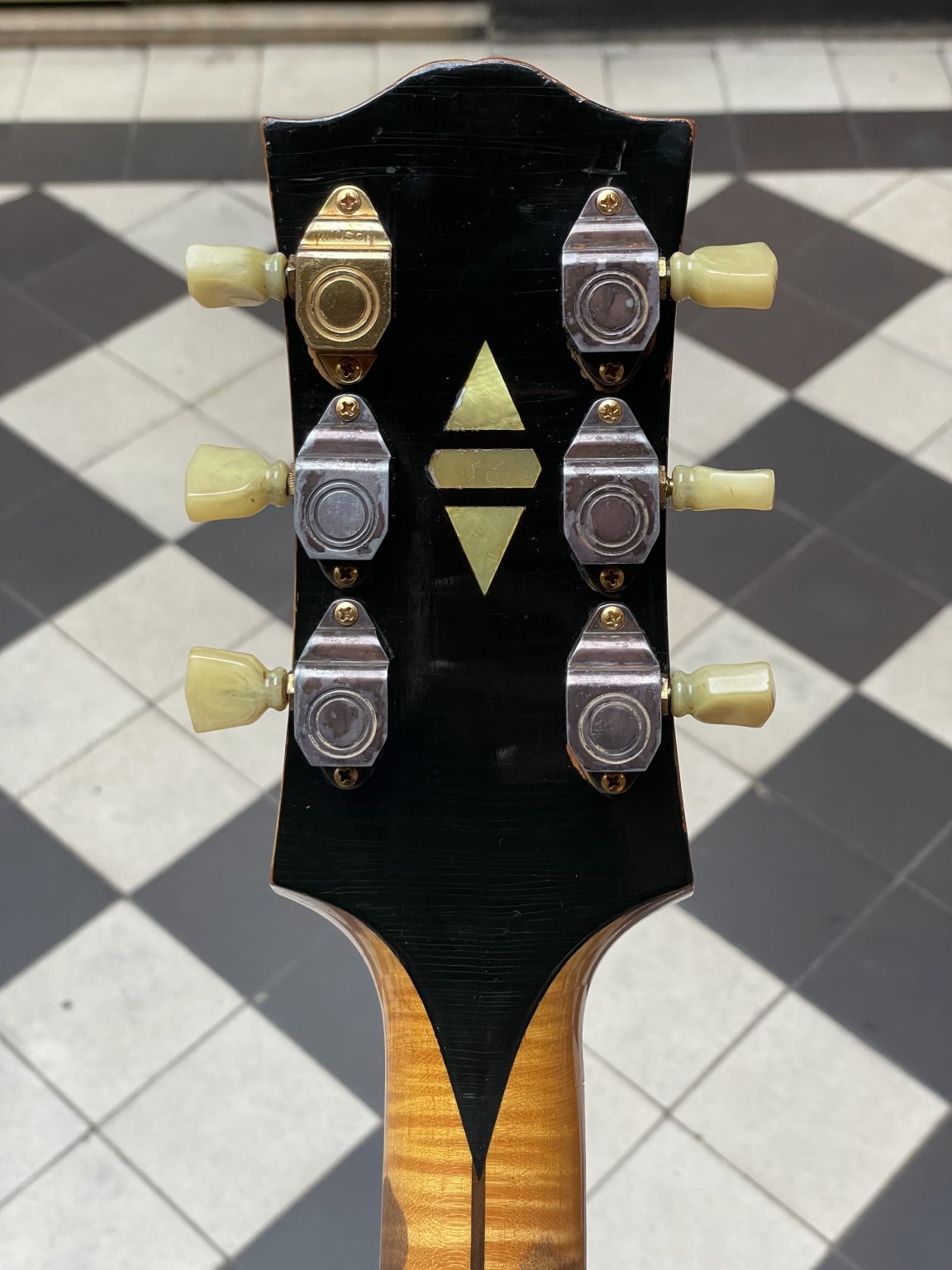
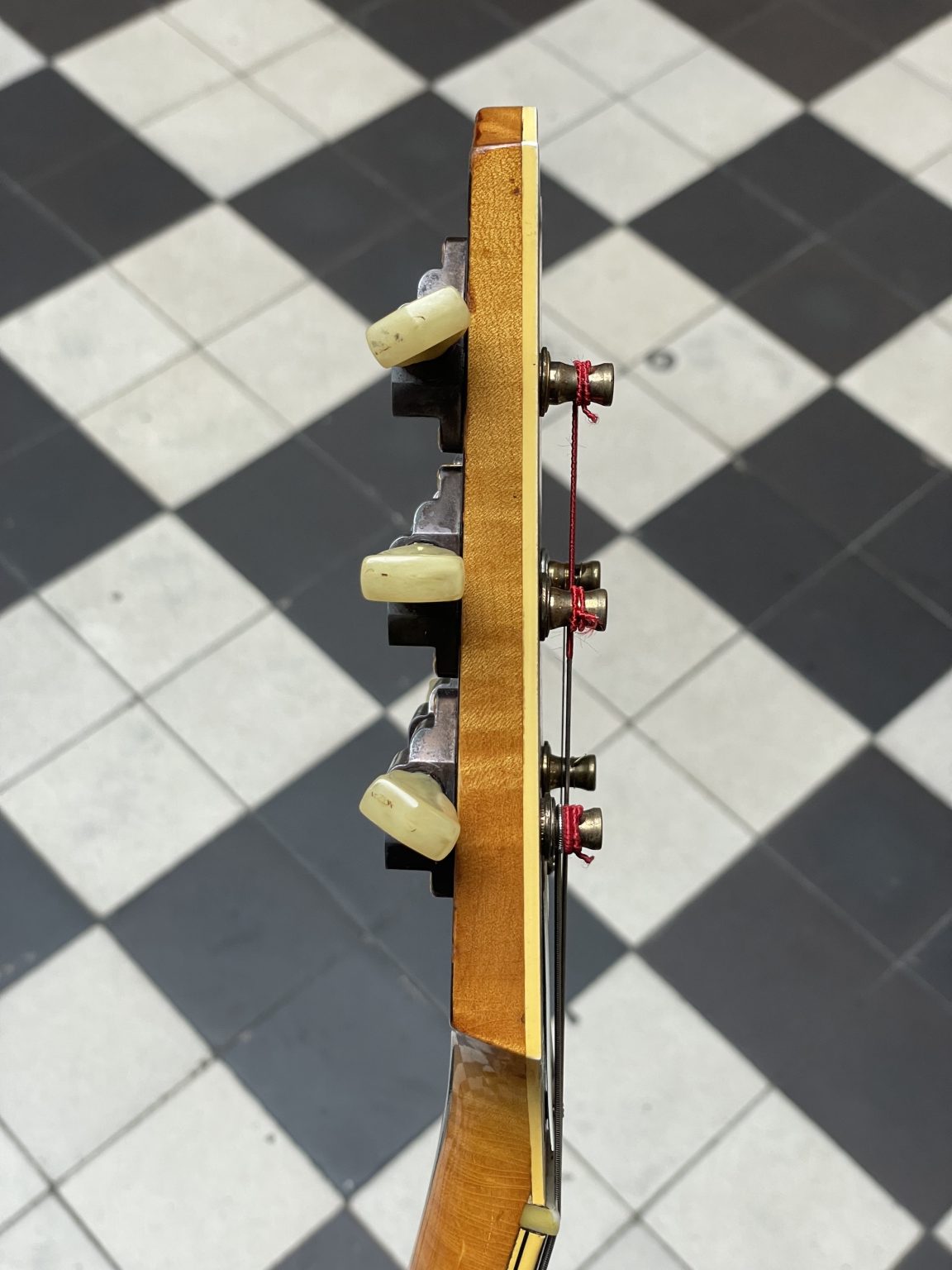
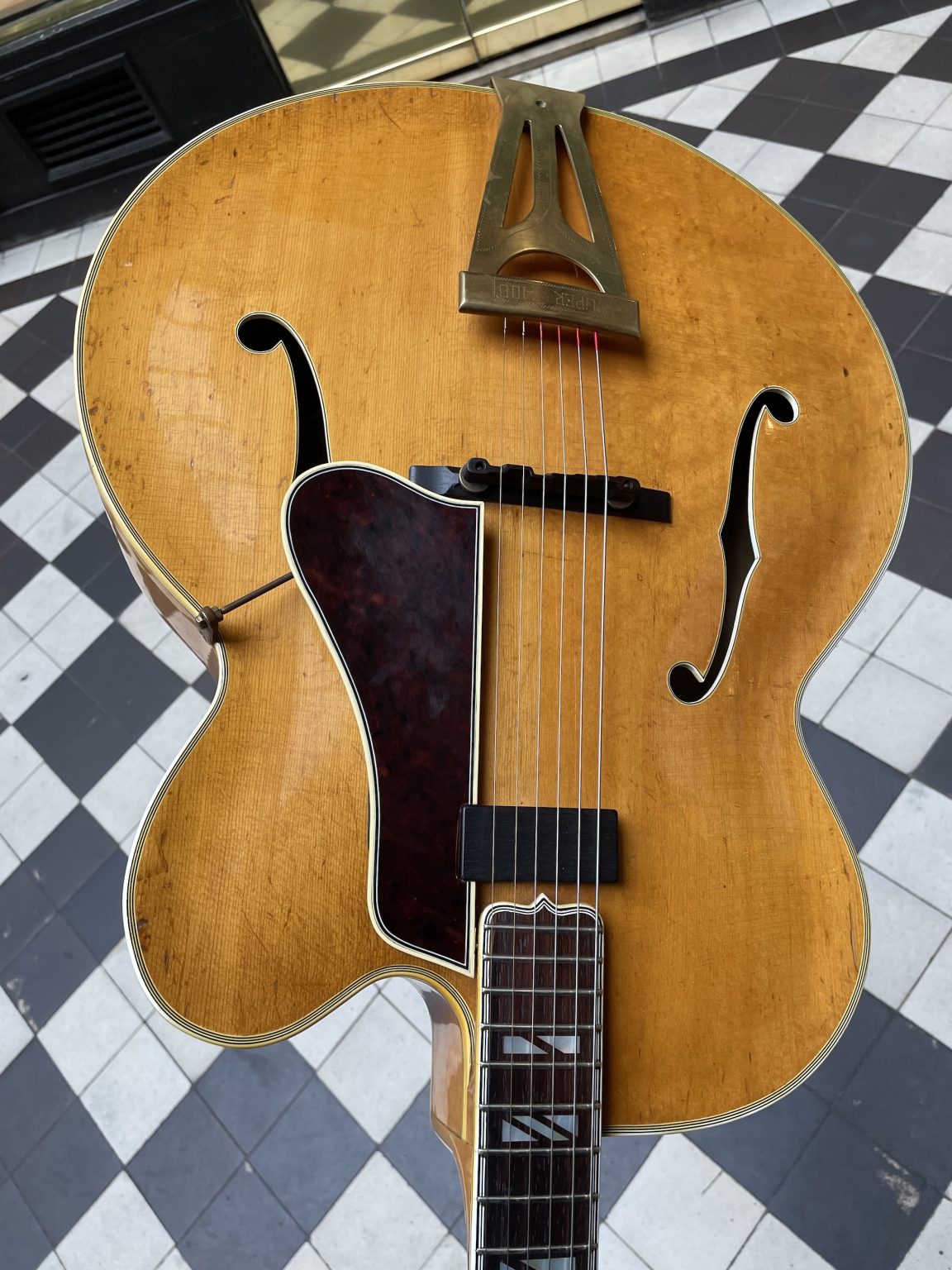
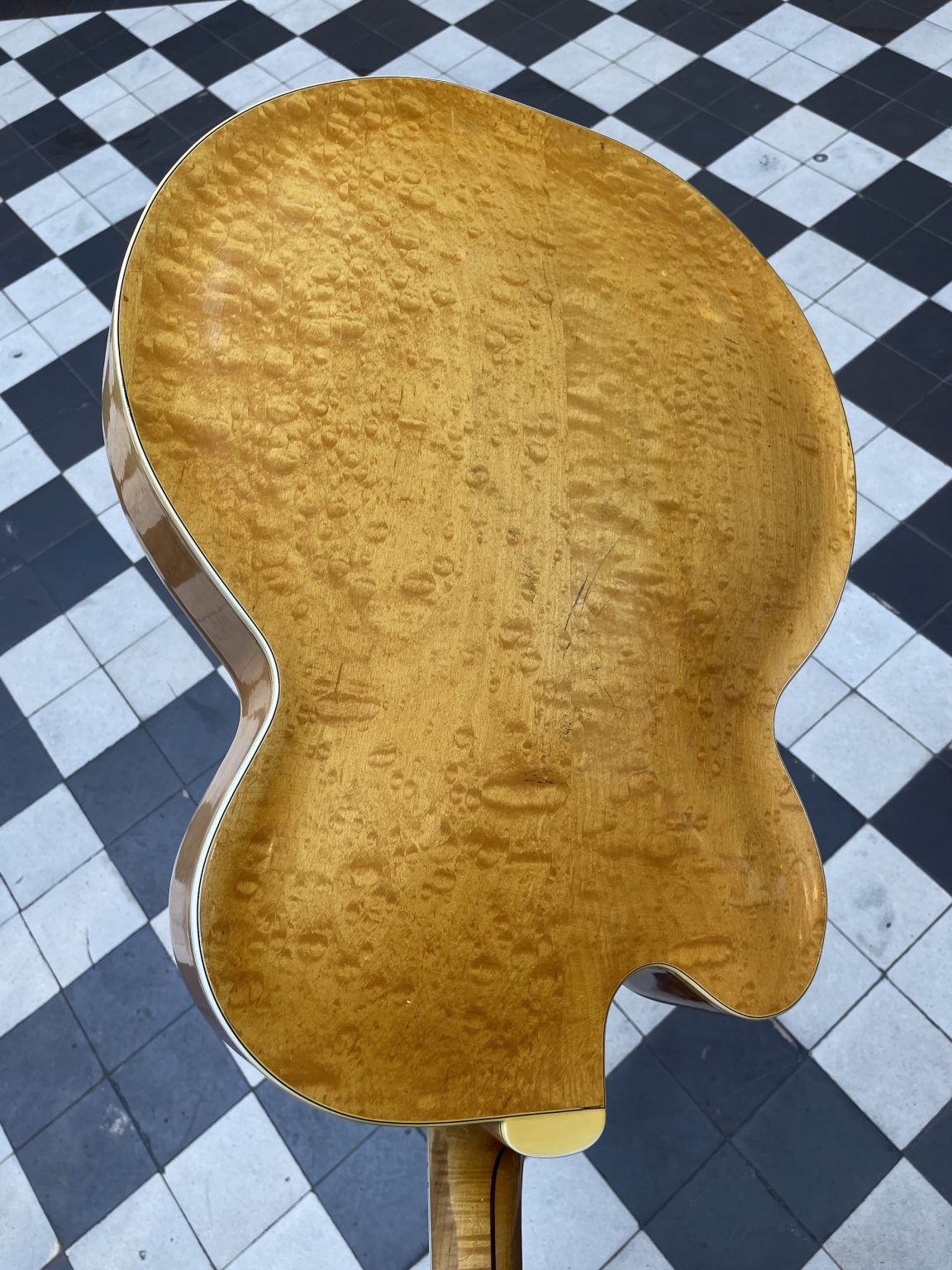
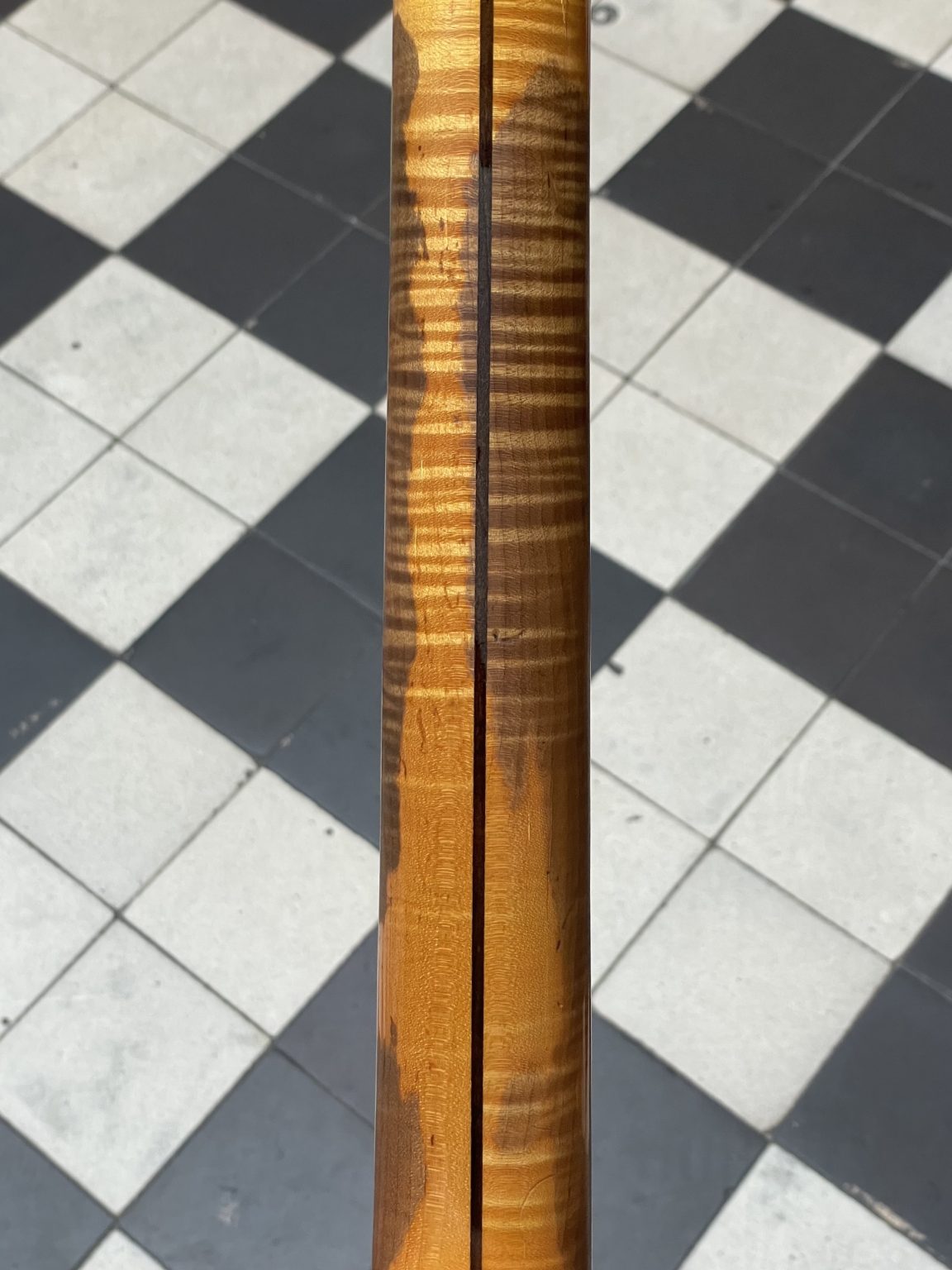
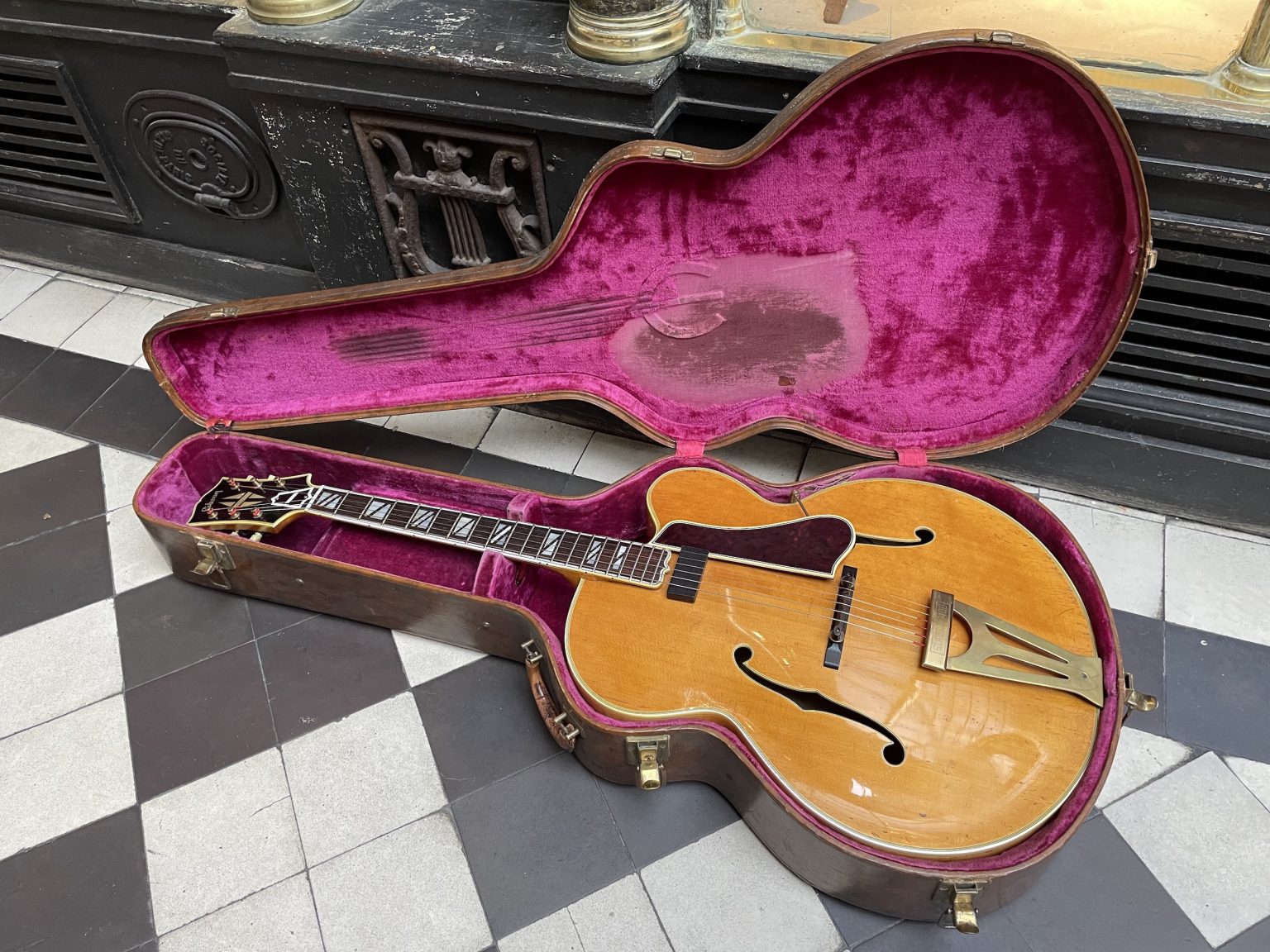
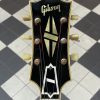
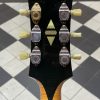
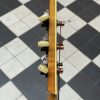
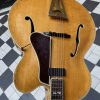
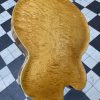
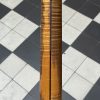
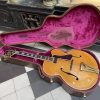
Magnificent 1950 Gibson Super 400CN, in excellent preserved and playable condition.
This is an incredibly rare model, one of only seven identical guitars produced in 1950! It was made at a pivotal moment in Gibson’s history—the restart of production after the war, amidst a complete overhaul of the company. Indeed, Gibson had struggled financially throughout the 1930s, largely due to the global economic crisis that hampered its operations and severely limited sales of its most luxurious models. The situation worsened at the turn of the 1940s: on the one hand, the retailer Montgomery Ward, which sold many Gibson-made instruments under the Recording King brand through its catalog, terminated the contract between the two companies (Gibson lost its biggest customer and a considerable source of revenue). On the other hand, the United States’ entry into the war at the end of 1941 forced Gibson to redirect a significant portion of its production toward the war effort: guitars, mandolins, and banjos were greatly set aside, and the workshops found themselves subcontracting the manufacture of various metal and wooden parts to the American army—something Gibson accomplished brilliantly, judging by the civilian decorations they received in recognition of their efforts. However, this turn of events was financially disastrous, and in the final months of the war, the company found itself in the red by $100,000 per month!
It was in this general context that Maurice H. Berlin, director of the Chicago Musical Instrument Company (CMI, specializing in the sale of quality musical equipment), arrived on the scene. Sensing the potential of a business like Gibson, he facilitated CMI’s acquisition of a majority stake in the company in 1944. The gamble proved entirely successful, as the post-war period and the accompanying general improvement in American society and the economy were particularly favorable to the musical instrument trade. Berlin invested considerable resources to expand the production workshops—more than 1,000 square meters between the late 1940s and early 1950s—to meet the ever-increasing demand for guitars and to allow for the manufacture of a host of new models (this notably marked the beginning of the golden age of Gibson electric guitars, which would propel the company to its zenith!). Amidst all this activity, the Super 400 also made its reappearance. Production of this expensive model had been interrupted in 1941: the reason being that it is an instrument whose construction requires intensive manual labor, and it was also necessary to save essential materials for the war effort (notably ebony and brass) – rather than make a depreciated version of its flagship model, Gibson decided to remove it from the catalogue altogether.
From the late 1940s onward, the evolving music scene also heavily influenced the fate of the acoustic Super 400. Its rapid decline in dance bands (in favor of electric models) was mitigated by a growing interest from small jazz ensembles who found it perfectly suited to their needs – Kenny Burrell being one of the most prominent musicians of the era to play the model. The Super 400 also won over guitarists in the emerging Country & Western genre, for whom its flamboyant appearance made it the obvious accompaniment instrument. Nevertheless, this guitar cost a small fortune ($625 in 1950 for the complete set including the instrument, case, and gig bag), and consequently, very few examples left Kalamazoo: a total of 194 cutaway models in a natural finish were shipped between 1948 and 1979, with only 7 of those being from the year this particular guitar was manufactured!
It embodies all the highest-end features that Gibson offers, reserving its most exquisite materials for models with a natural finish where the wood grain is most prominent. The soundboard is carved from spruce with parallel bracing, and the maple back and sides are also carved, showcasing beautiful quilted and tiger-striped patterns. A rosewood fingerboard and bridge, a large headstock inlaid with the Gibson logo and split diamond, a tailpiece engraved with the model name… it has it all, and the guitar’s condition is remarkable. One can hardly imagine the incredible amount of handwork required to produce such an instrument, a testament to the sheer lutherie talent from the workers at Kalamazoo – but its refinement becomes apparent once you hold the guitar. It boasts a beautiful patina with checking to finish and natural wear on the neck. This acoustic version of the Super 400 is equipped with a modern floating pickup, mounted on a repro pickguard. Fully set up and ready to play in our workshop: to achieve optimal action and intonation, we meticulously leveled, rounded, and polished the frets to create a perfectly balanced playing surface, followed by adjustments to the neck, bridge, and nut – the guitar is ready to play for a long time to come!
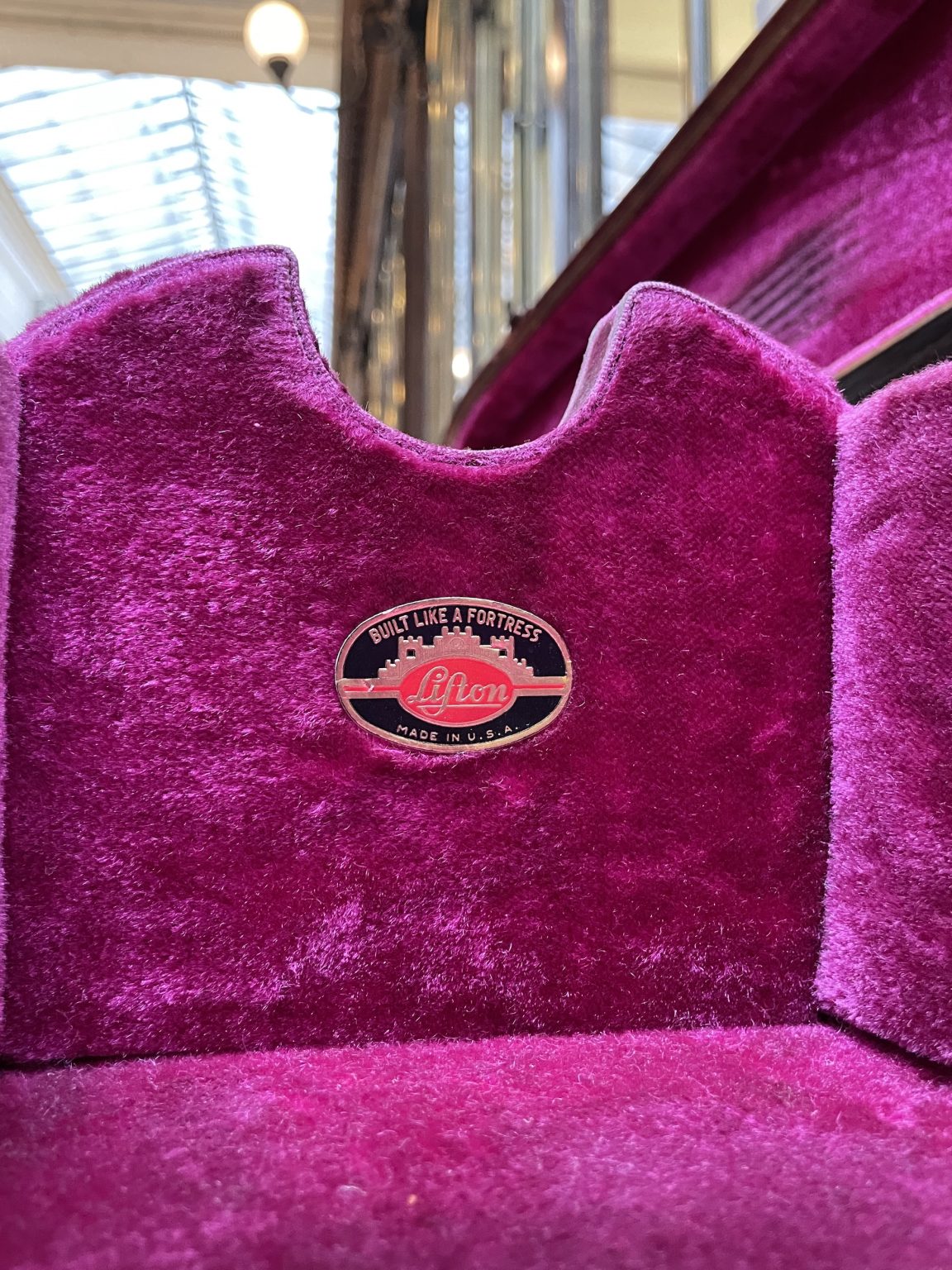
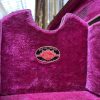
Sold in a vintage Lifton case.